
Why Real-World Socialization Matters More Than You Think
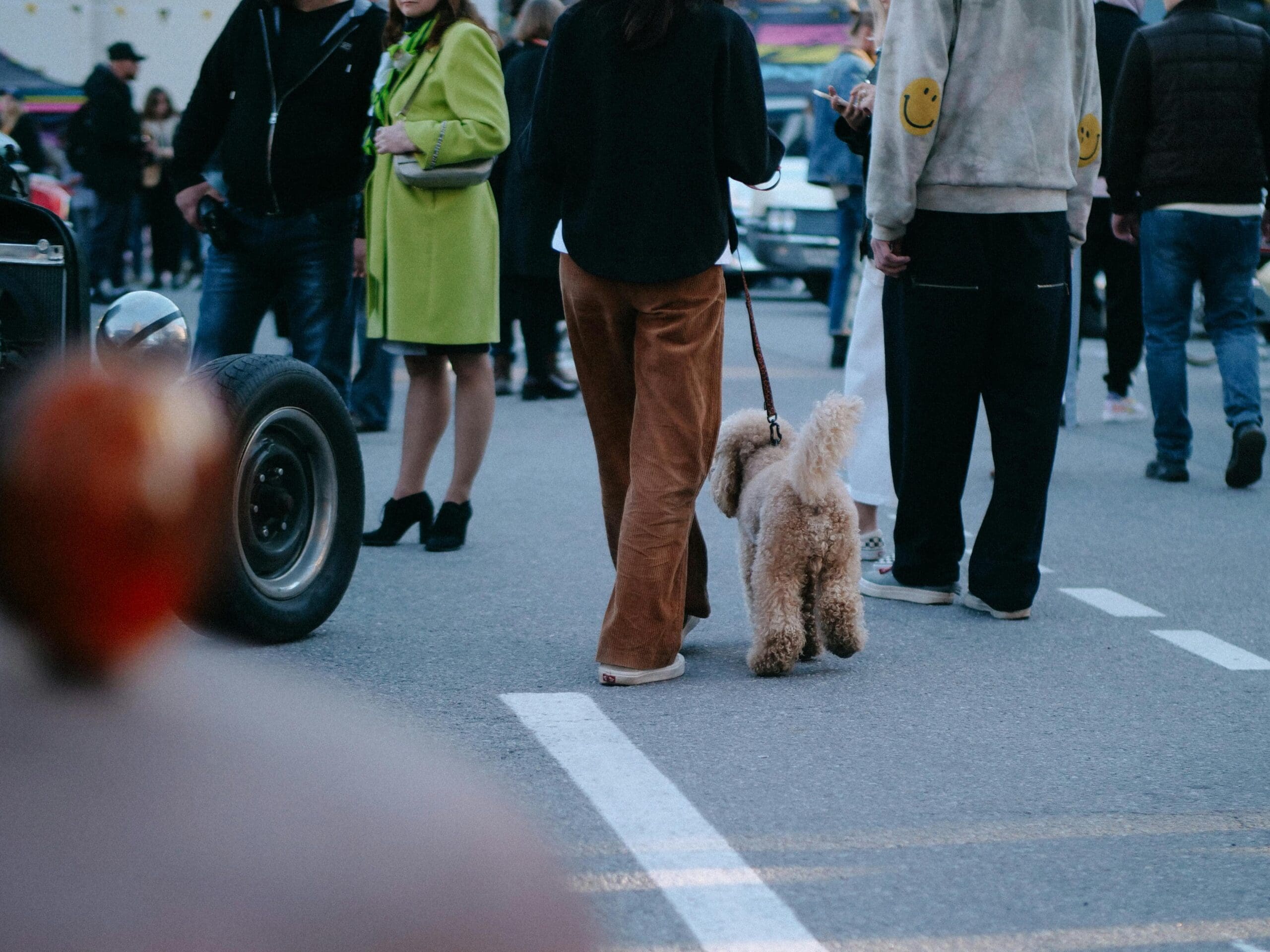
Many dog owners assume that a few puppy playdates or dog park visits check the box for socialization. But true socialization is about preparing your dog to remain calm, confident, and responsive in everyday environments.
Whether you’re grabbing coffee at an outdoor café, exploring a hiking trail, or walking through a busy downtown, your dog’s behavior should reflect trust, structure, and control.
As a professional trainer, I often say, “Obedience is easy at home. The real work begins when distractions show up.” Let’s look at how to build a dog who thrives everywhere, not just behind closed doors.
What Real-World Socialization Actually Means
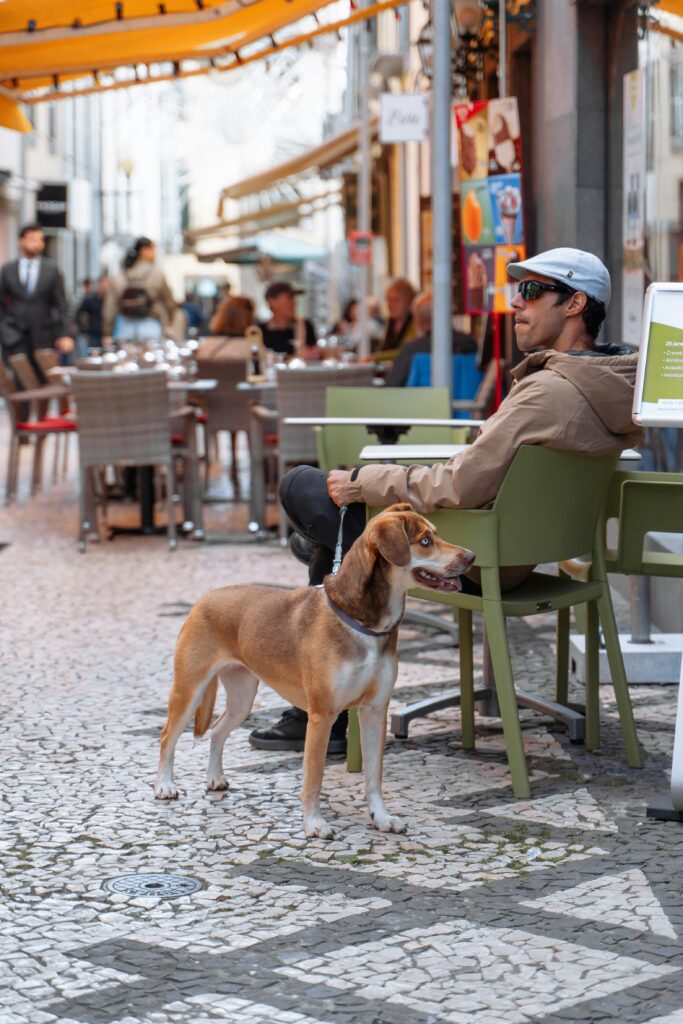
Socialization is more than exposure. It’s about your dog having positive or neutral experiences with:
- New people (of all ages and appearances)
- Different dogs, calmly and respectfully
- Noises like sirens, traffic, or skateboards
- Objects like strollers, shopping carts, and bicycles
- Situations like patios, crowds, or public restrooms
Your dog doesn’t have to love everything, but they should remain under control and engaged with you.
Start With Structure, Not Chaos
Many owners rush to the dog park or crowded events hoping to “socialize” their dog. But without clear obedience, these environments can lead to fear, overexcitement, or even aggression.
Start small:
- Practice structured walks near low-traffic areas
- Use the “place” command outside a store or café
- Watch people or dogs from a distance and reward calm behavior
- Gradually increase exposure based on your dog’s comfort and success
If your dog struggles to stay calm even in the yard or driveway, our Basic Obedience Program builds a rock-solid foundation before introducing the complexity of public settings.
Café Training: Relaxed Focus in Busy Spaces
Bringing your dog to an outdoor café sounds relaxing, until they start barking at passersby or trying to steal food. Set them up for success by preparing at home first.
Tips for café training:
- Use a non-slip mat or towel as their “place”
- Keep a leash on and foot on leash for safety
- Practice during off-peak hours at first
- Bring long-lasting chews or a stuffed Kong
- Reward for ignoring distractions
Pair this with solid “down-stay” and “leave it” commands before trying a meal with guests.
Park Socialization: More Than Just Dogs
Parks offer a rich environment for socialization. But they also come with bikes, kids, squirrels, and unpredictable dogs. Your goal is not just exposure, but engagement and calm behavior.
Try this:
- Walk the perimeter first, letting your dog observe from a distance
- Use treats or marker words to reward check-ins and loose leash walking
- Avoid dog parks until your dog has reliable recall and neutrality around other dogs
- Don’t allow on-leash greetings without permission
- Use benches or “place” commands as rest stops to reduce overstimulation
Our post on how play shapes your dog’s development explains how structured play and movement in new places actually build confidence faster than chaotic off-leash activity.
Common Mistakes That Undermine Progress
Even well-meaning owners can unintentionally reinforce fear or bad behavior during socialization. Watch out for:
- Forcing your dog to meet people or dogs when they’re uncomfortable
- Reassuring fearful behavior with petting or high-pitched voices
- Letting your dog pull, bark, or lunge unchecked
- Skipping daily training because you’re “too busy”
Consistency is the key. Practicing small sessions 3–5 times a week will yield stronger results than long, chaotic outings once in a while.
The Role of Confidence and Trust
If your dog looks to you for direction, they’re less likely to react to the environment. This relationship is built through repetition and proofing. Real-world distractions are your training partner, not your enemy.
Our Basic & Advanced Obedience Program helps you master engagement drills, neutrality exercises, and clear communication so your dog can succeed in high-distraction areas.
AKC Insight: Adapting Socialization to the Real World
According to the American Kennel Club, effective socialization isn’t limited to physical contact with strangers or other dogs. Exposure to sights, sounds, surfaces, and situations, even from a distance, can be just as powerful in building a confident, well-adjusted dog.
This approach is especially valuable when working around busy cafes, parks, or urban environments where direct interaction isn’t always possible or safe.
Real-World Socialization Pays Off for Life
When your dog can settle calmly at your feet while you sip coffee, greet a friend without jumping, or walk confidently beside a stroller at the park, you’ve done more than train a dog. You’ve created a lifestyle of trust, freedom, and respect.
Whether your goal is a better-behaved companion or a dog who joins you anywhere, real-world socialization is the missing link.
Final Call to Action
If your dog becomes reactive, overwhelmed, or distracted in public, let us help. Our expert trainers at Off Leash K9 Training Delaware specialize in real-world obedience that sticks, no matter where life takes you.
Contact us today to schedule your consultation and start your journey toward a confident, calm, and social dog.