
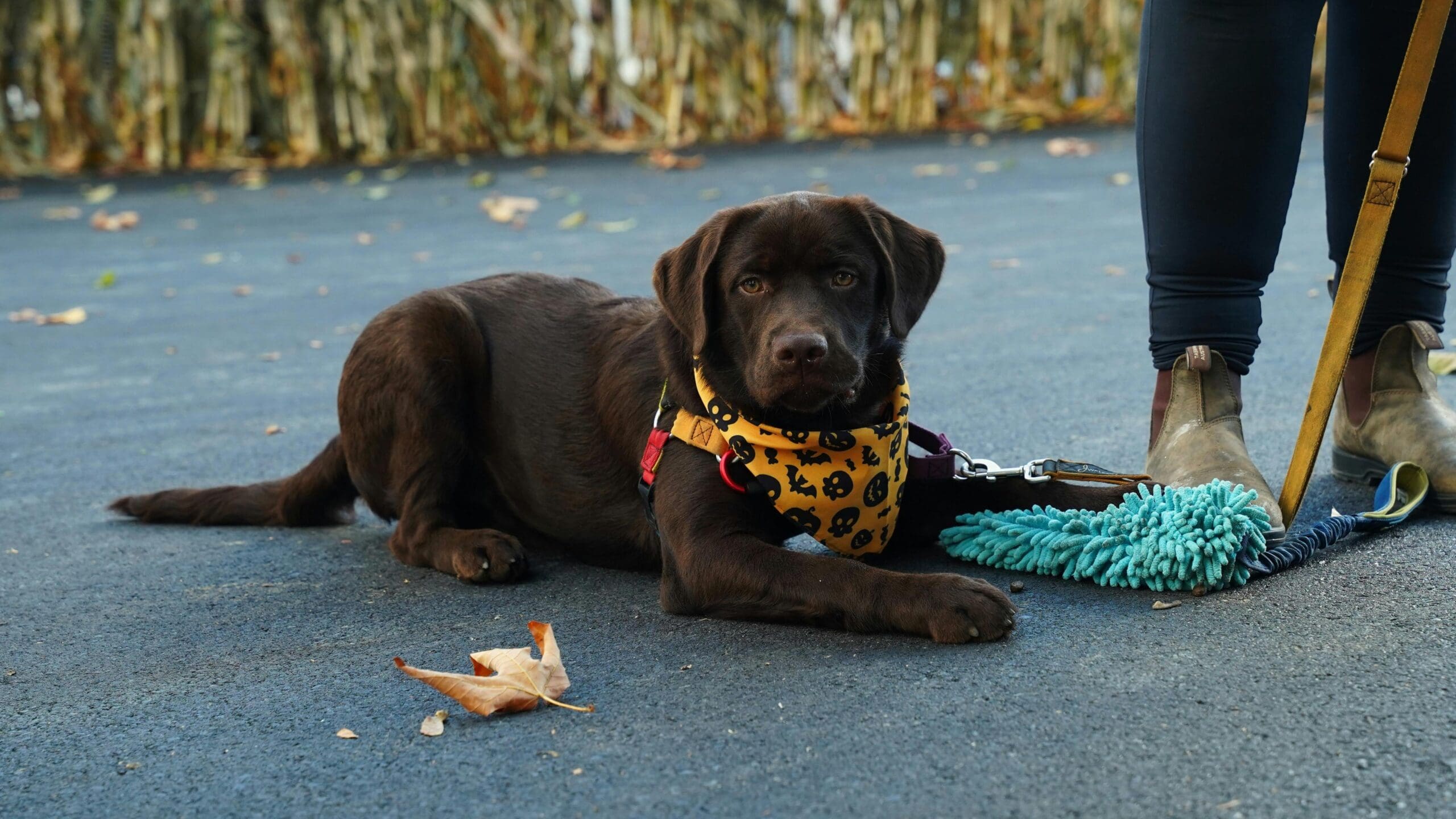
Many owners think obedience training is something you finish when your dog completes puppy school. The truth is that training is an ongoing process that evolves as your dog grows. A puppy’s needs are not the same as a senior dog’s. Just like people, dogs require structure, consistency, and engagement at every stage of life.
The great news is that training does more than teach commands. It builds trust, strengthens the bond between you and your dog, and gives your pup the tools to thrive in every environment.
This guide will walk you through obedience training from puppyhood to the senior years.
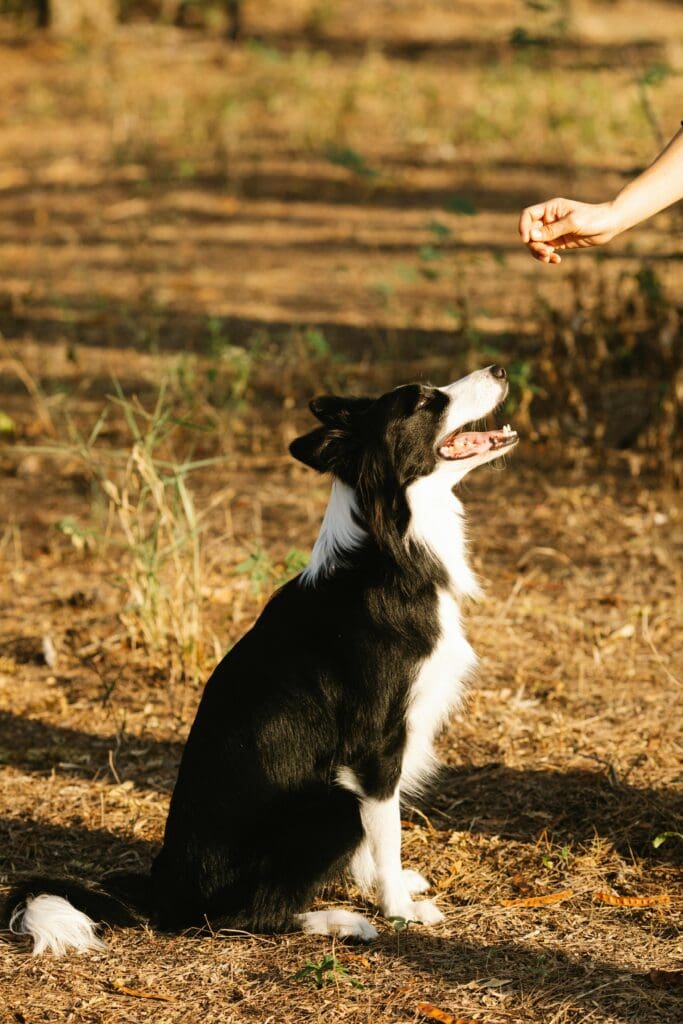
Stage 1: Puppyhood, 8 Weeks to 6 Months
Puppies are little sponges. The first months are the most critical for building foundations.
Focus on:
- Housebreaking and crate training.
- Socialization with people, dogs, and new environments.
- Basic commands like sit, down, come, and place.
- Leash introduction to prevent pulling habits.
Training tip: Keep sessions short and fun. Puppies have limited attention spans, but they respond well to games. Our post on transforming puppy behavior with essential solutions provides a helpful starting point for common challenges.
Stage 2: Adolescence, 6 Months to 2 Years
This is the stage where dogs often test boundaries. Hormonal changes and increased energy can lead to stubbornness or regression.
Focus on:
- Strengthening leash skills and recall.
- Building impulse control with leave it and wait.
- Introducing controlled distractions during training.
- Preventing bad habits such as jumping or resource guarding.
Training tip: Consistency is key. Adolescents may act like they forgot commands, but in reality they are testing your leadership. Stay firm, calm, and structured.
Stage 3: Adulthood, 2 to 7 Years
Adult dogs are more mature, but training should not stop. This stage is about sharpening obedience and maintaining reliability.
Focus on:
- Advanced obedience in real-world settings.
- Off leash control in safe areas.
- Proofing commands around high level distractions.
- Physical and mental enrichment to prevent boredom.
Training tip: Adult dogs thrive when challenged. Activities like agility, scent work, or structured play keep their skills sharp while reinforcing obedience. Our Basic & Advanced Obedience Program is ideal for this stage, building reliable behavior that holds up in public spaces.
Stage 4: Senior Dogs, 7 Years and Up
Older dogs still need structure, even if their pace slows down. Training provides mental stimulation and helps maintain good manners.
Focus on:
- Reinforcing basic commands for safety.
- Low impact training like leash walking and place.
- Confidence building in changing environments.
- Adjusting sessions to your dog’s comfort level.
Training tip: Senior dogs may need shorter sessions, but they still enjoy learning. Gentle structure keeps their minds sharp and strengthens your bond.
Core Training Principles for Every Stage
No matter the age, these rules always apply:
- Be consistent: Dogs thrive on routine and clear expectations.
- Reward the behavior you want: Positive reinforcement creates reliability.
- Keep sessions short and frequent: Quality is more important than quantity.
- Train in real life: Proofing commands in everyday settings makes obedience stick.
- Mind the environment: Start easy, then add distractions as your dog succeeds.
- Measure progress weekly: Track sits, downs, recall, and leash manners so you can adjust quickly.
Home, Yard, and Public Proofing Checklist
Use this quick checklist to keep skills strong as your dog ages.
At home
- Sit before food and doors.
- Place during family meals or homework time.
- Down stay while you answer emails or take a call.
In the yard
- Recall on a long line.
- Leave it with sticks, toys, or dropped food.
- Heel practice along fence lines and paths.
In public
- Neutrality around other dogs and people.
- Down stay on a mat at a café table.
- Loose leash walking past distractions such as bikes and strollers.
External Resource
For a clear overview of obedience fundamentals and practical tips you can apply at any age, see PetMD’s guide to obedience training for dogs. It covers core cues, reinforcement strategies, and how to keep sessions effective as your dog matures.
Training Never Ends, It Evolves
From puppyhood to senior years, obedience training is the foundation of a confident, well behaved dog. Each stage brings new challenges and opportunities, but with consistent leadership, your dog will succeed for life.
Final Thoughts
Whether you are starting with a puppy, working through adolescence, or supporting a senior dog, our team at Off Leash K9 Training Delaware can help. We specialize in obedience training tailored to your dog’s stage of life, ensuring lasting results. To talk through the right path for your dog, simply reach out to our team.
Contact us today to schedule your consultation and give your dog the skills they need for every season of life.