
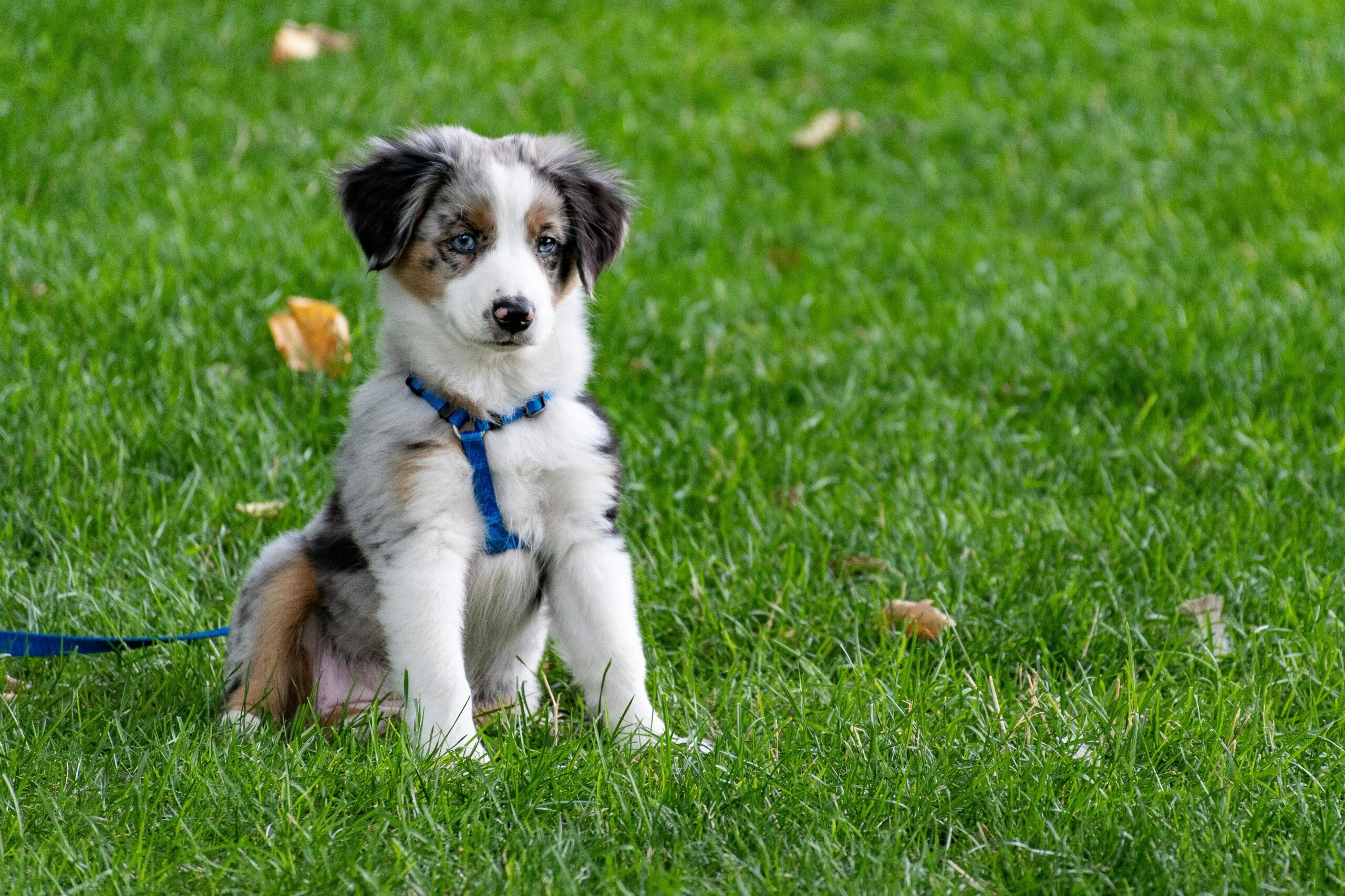
Leash reactivity is one of the most common frustrations I hear from owners. A dog that barks, lunges, or growls when seeing another dog or person on a walk can make outings stressful and embarrassing.
The key to solving this issue is understanding what leash reactivity really is. Contrary to popular belief, it is not always aggression. It often comes from frustration, fear, or confusion. With the right approach, leash reactivity can be managed and often eliminated.
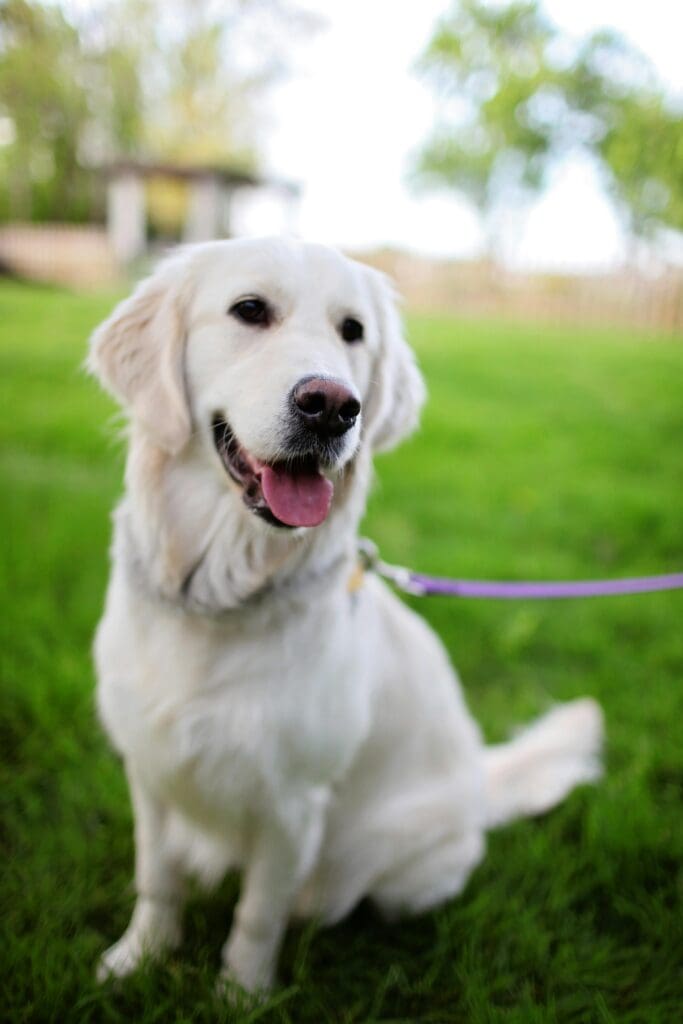
What Is Leash Reactivity?
Leash reactivity is when a dog overreacts to triggers such as other dogs, people, bikes, or even cars while restrained on a leash. This behavior can look aggressive, but it is often rooted in fear, frustration, or lack of impulse control.
Common triggers include:
- Other dogs approaching
- Strangers making direct eye contact
- Fast-moving bikes, joggers, or cars
- Loud noises or unusual objects
- Overstimulation in busy environments
Understanding the root cause of reactivity is key to fixing it.
Common Causes of Leash Reactivity
Reactivity does not come from one single source. It usually develops from a combination of factors.
- Frustration: Dogs who want to greet but are restrained often lash out in frustration.
- Fear: Nervous dogs may bark and lunge to create distance from what scares them.
- Lack of Socialization: Dogs not properly exposed to different environments may overreact.
- Inconsistent Training: Without boundaries, dogs default to instinct instead of obedience.
Handler Tension: Dogs pick up on our body language. A tight grip and nervous energy can escalate their reactivity.
Why Myths About Leash Reactivity Hold Dogs Back
There are several misconceptions that make leash reactivity worse or harder to solve.
- Myth: A reactive dog is aggressive.
Many reactive dogs are not truly aggressive. They may simply be frustrated or overwhelmed. - Myth: Dogs will grow out of it.
Without training, reactivity often gets worse over time, not better. - Myth: Avoiding walks fixes the issue.
Limiting exposure to triggers only reinforces fear and frustration. - Myth: Punishment stops reactivity.
Harsh corrections may suppress the behavior temporarily but do not address the root cause.
Proven Fixes for Leash Reactivity
Addressing leash reactivity is about replacing bad habits with calm, focused responses. Here are the core strategies I teach clients:
- Structured leash walking: Practice loose leash walking daily, rewarding calm focus.
- Threshold management: Do not push your dog too close to triggers too soon. Start at a comfortable distance and gradually decrease it.
- Engagement drills: Teach your dog to check in with you during walks using commands like “look” or “heel.”
- Impulse control exercises: Use place, down-stay, and sit at home and on walks to build patience.
- Calm corrections: Redirect with clear leash pressure or commands, then reward calm behavior.
For extra guidance on leash handling, check out our post on understanding leash and collar options. Using the right equipment ensures corrections are clear but fair.
Training Programs That Help
Our Basic & Advanced Obedience Program is designed for dogs who struggle with distractions, pulling, or reactivity. By teaching calm leash manners and reliable obedience around other dogs, we build trust that reduces overreactions.
Tools That Can Help
While no tool replaces training, the right equipment makes handling easier.
- A 4–6 foot leash (avoid retractables)
- A properly fitted collar or training collar used responsibly
- High-value treats for motivation
- A treat pouch for quick rewards
For guidance on choosing between collars and harnesses, the AKC provides a helpful comparison.
The Bottom Line on Leash Reactivity
Reactivity is not a life sentence. With consistent training, structure, and leadership, most dogs learn to walk calmly and confidently even in distracting environments.
Final Thoughts
Leash reactivity can be stressful, but it doesn’t have to control your walks forever. By understanding the root causes, avoiding common myths, and applying consistent training, you can transform leash battles into calm, enjoyable outings.
Contact us today to schedule your consultation and enjoy peaceful walks again.