
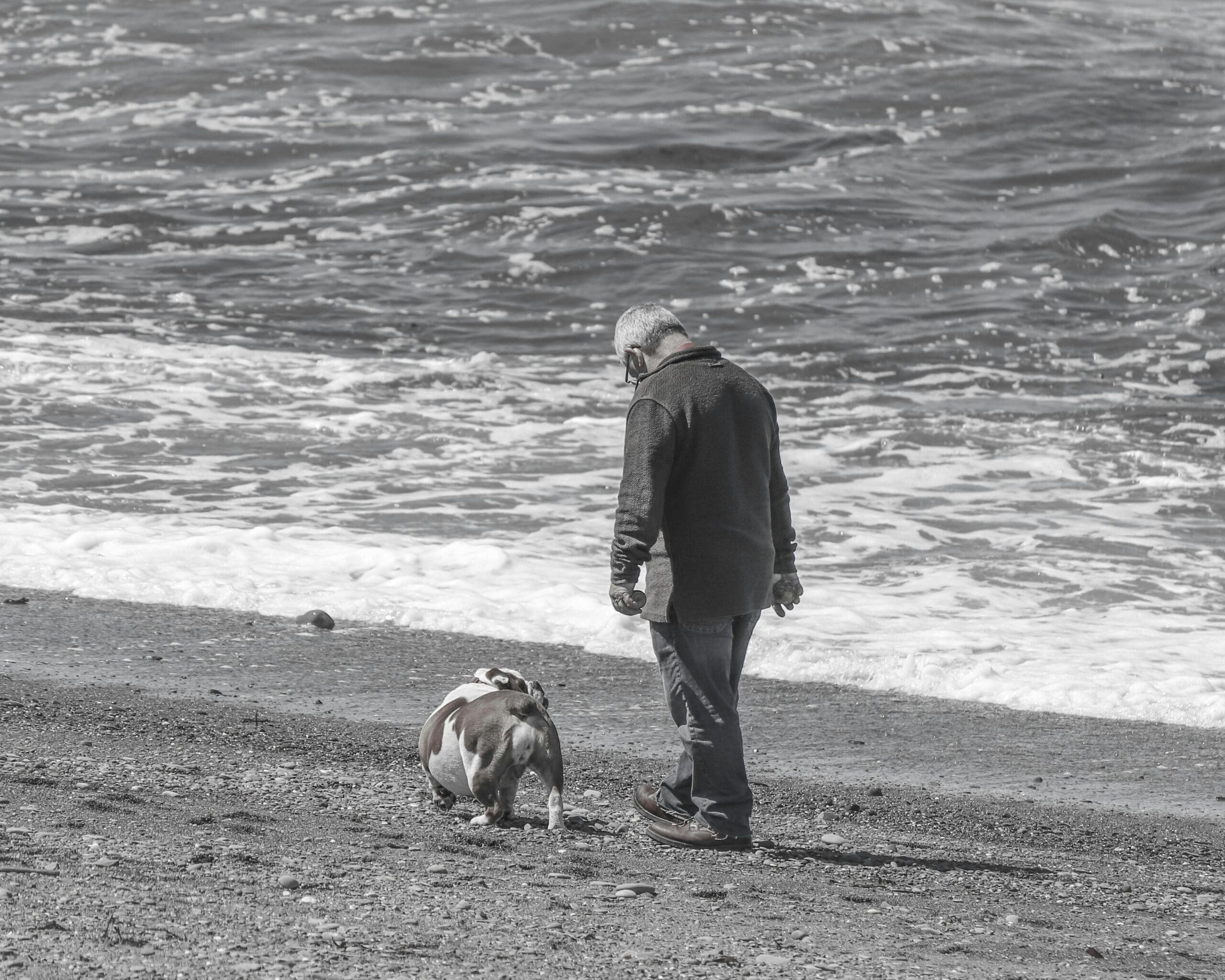
A Special Kind of Service: The Healing Bond Between Veterans and Dogs
On Veterans Day, we pause to honor those who have served our country, men and women who gave everything for our freedom. But for many, the challenges don’t end when they return home. Life after service often brings invisible wounds, such as post-traumatic stress disorder (PTSD) and anxiety.
In recent years, dogs have become powerful allies in the healing process. Their unconditional love, loyalty, and sensitivity help veterans reconnect with life, purpose, and peace. Through structured obedience training, that bond becomes even stronger, transforming dogs into reliable partners in recovery.
As a trainer, I’ve witnessed firsthand how training not only teaches obedience but also rebuilds confidence for both handler and dog. It’s more than just learning commands; it’s about healing through trust, consistency, and communication.
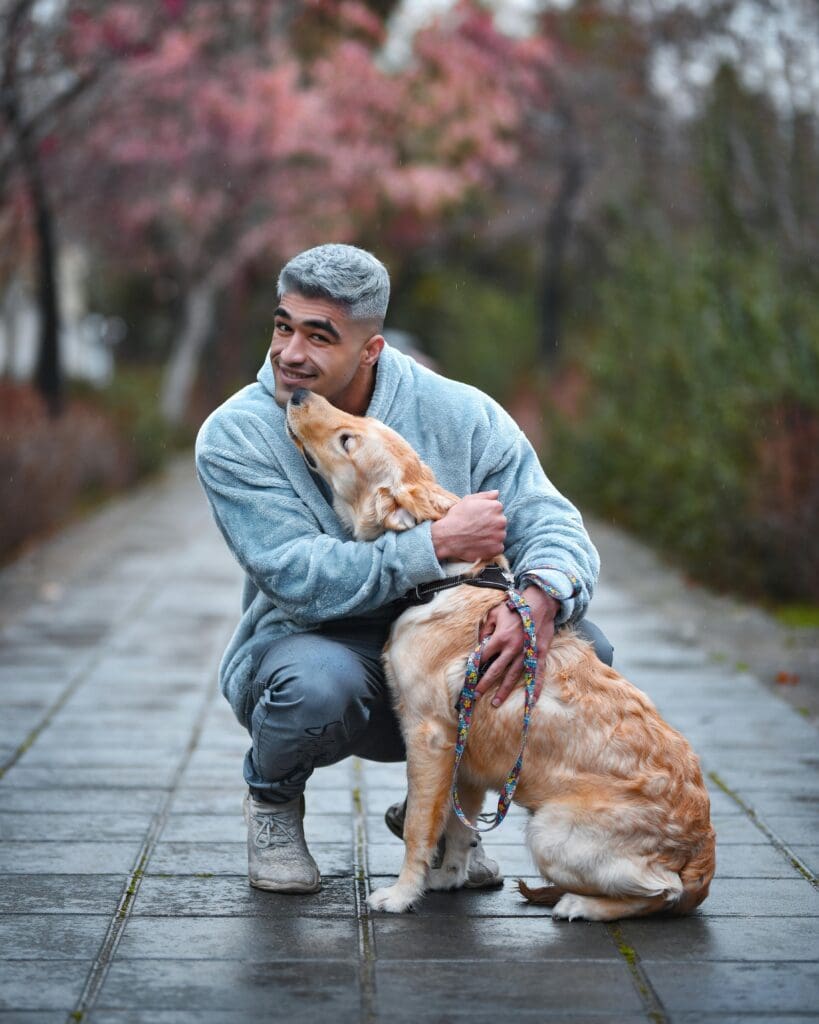
How Dog Training Supports Emotional Healing
Training provides structure, which is essential for stability. Many veterans struggle with unpredictable emotions, disrupted sleep, or difficulty focusing. Training introduces a routine that restores balance and control.
Here’s how it helps:
- Predictability: Scheduled training sessions provide reliable structure.
- Connection: Daily interaction strengthens emotional bonds and trust.
- Calmness: Obedience drills promote relaxation and mental focus.
- Purpose: Caring for and leading a dog fosters motivation and accountability.
- Confidence: Every successful command reinforces self-belief and progress.
The repetitive, rewarding nature of training also mirrors therapeutic techniques for managing anxiety, by focusing the mind on achievable steps, one moment at a time.
Service Dogs vs. Trained Companions
There’s an important distinction between service dogs and well-trained companion dogs. While both can support veterans emotionally, their training and roles differ:
- Service Dogs: Receive specialized training to perform specific tasks such as interrupting panic attacks, providing physical assistance, or alerting their handler to signs of distress.
- Trained Companions: Offer comfort, stability, and emotional grounding through strong obedience and structure, without specific task-based certification.
For many veterans, obedience training bridges the gap between these two categories. Even a family dog, with the right structure, can become a powerful source of emotional support and calm leadership.
Checklist: How Obedience Training Helps Combat PTSD and Anxiety
- Builds consistent daily routines that reduce mental chaos.
- Promotes focus and mindfulness through task-based interaction.
- Strengthens trust and communication between handler and dog.
- Encourages outdoor activity and healthy movement.
- Improves confidence through measurable progress.
- Offers grounding during moments of stress or panic.
These elements turn training into a form of therapy, helping veterans stay present and purposeful each day.
The Science Behind the Bond
Research shows that interacting with dogs lowers cortisol levels (the body’s stress hormone) and increases serotonin and oxytocin, which promote calm and connection. When training is added to the mix, the emotional benefits double. Structured training encourages patience, mental focus, and teamwork, qualities that reinforce stability for both veteran and dog.
Our post on how to handle setbacks in dog training explains how learning to stay patient during challenges can build emotional resilience. For veterans, this skill is invaluable. Training becomes a tool not just for obedience, but for managing stress and frustration in everyday life.
From Structure to Emotional Recovery
Structure is the key to a calmer, more balanced mind. When a veteran learns to communicate clearly with their dog, they regain a sense of control over their environment. Commands like “sit,” “stay,” and “heel” are more than just words, they’re anchors in moments of uncertainty.
The dog learns to depend on their handler’s leadership, while the handler learns to lead with calm authority. Over time, this mutual reliance helps veterans navigate triggers more confidently.
A well-trained dog also encourages veterans to reengage with the world. Whether it’s daily walks, social outings, or visiting public places, obedience work promotes movement, exposure, and socialization, essential parts of PTSD recovery.
When Training Becomes Therapy
Training doesn’t need to be formal therapy to have a therapeutic effect. The simple act of working with a dog encourages mindfulness. It shifts focus from past trauma to the present moment. Every session is a chance to practice patience, calm communication, and control.
At Off Leash K9 Training Delaware, we’ve seen veterans find renewed energy and purpose through structured training. The trust built between dog and handler fosters healing that words alone often can’t achieve.
External Resource
For more insight into how dogs promote mental and emotional wellness, the AKC’s article on the health benefits of dog ownership highlights how training and companionship improve mood, lower stress, and support overall mental health. It’s a reminder that consistent training is as beneficial for people as it is for their dogs.
The Role of Professional Obedience Programs
Our Basic Obedience Program gives veterans and their dogs a structured path to calm confidence. We focus on engagement, consistency, and clarity, skills that extend beyond the leash and into daily life.
Training helps both ends of the leash. The dog learns reliability and obedience; the veteran regains confidence, patience, and trust in their ability to lead. Over time, this dynamic creates stability and reduces anxiety in high-stress environments.
Practical Tips for Veterans Training at Home
- Keep sessions short: 10–15 minutes of focused work builds success without frustration.
- Start simple: Use foundational commands before progressing to advanced tasks.
- Reward progress: Celebrate small wins with praise or play.
- Use calm energy: Dogs mirror your emotions. Stay relaxed and encouraging.
- Stay consistent: Training success comes from daily repetition, not intensity.
- Create safe spaces: A “place” command gives your dog a secure spot during stressful moments.
Consistency is where the healing happens. Every repetition builds predictability and peace.
FAQ: Veterans, PTSD, and Dog Training
Q: Can obedience training help even if my dog isn’t a service dog?
A: Absolutely. You don’t need a certified service animal to benefit. Obedience training builds trust, focus, and stability that support emotional health.
Q: What breeds are best for veterans dealing with PTSD?
A: While Labs, Golden Retrievers, and German Shepherds are common, any calm, people-focused dog can provide comfort and grounding with proper training.
Q: How long before I notice emotional benefits from training?
A: Many veterans report improvements within weeks. The combination of structure, purpose, and connection brings immediate relief.
Q: What should I do on difficult training days?
A: Take breaks, breathe, and reset calmly. Frustration is normal, but patience builds long-term trust. Remember, progress, not perfection, is the goal.
Q: Can family members join training sessions?
A: Yes. Involving family strengthens consistency at home and helps everyone understand how to support the dog’s role in your recovery.
Final Thoughts: Healing Through Leadership and Love
For veterans, dog training is not just about obedience, it’s about recovery through partnership. The structure of training provides stability, the communication builds trust, and the companionship restores hope.
Every “sit” and “stay” becomes more than a command, it becomes a moment of connection and confidence. For many veterans, those small victories become the foundation of emotional healing.
At Off Leash K9 Training Delaware, we are proud to work with veterans who seek peace, leadership, and connection through their dogs. Together, we help transform chaos into calm and uncertainty into confidence.
Contact us today to schedule your consultation and take the first step toward balance, trust, and recovery, one command at a time.