
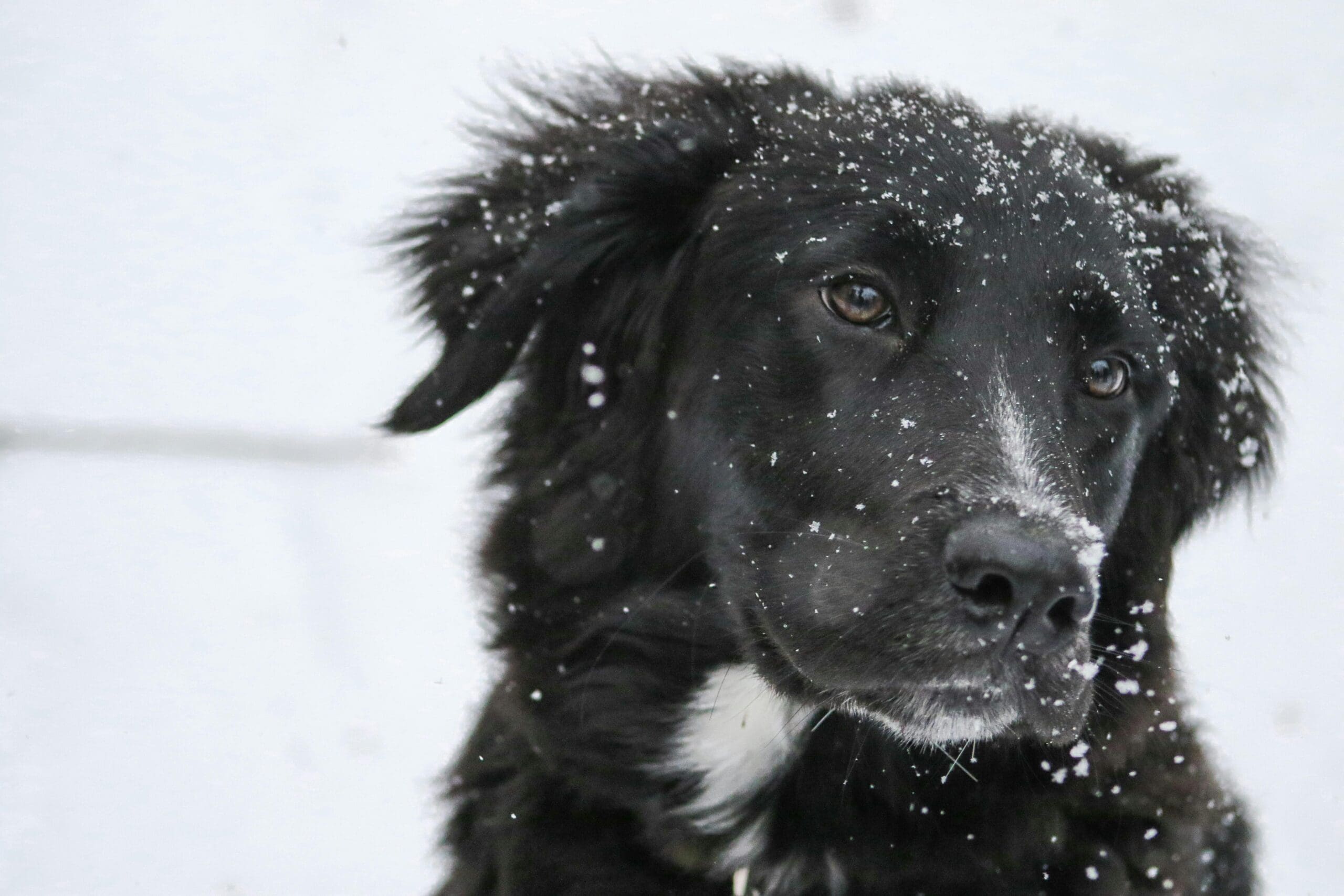
As the temperatures drop and the days get shorter, many owners assume it’s time to pause dog training until spring. But the truth is that winter is one of the best seasons to make major progress in obedience and behavior.
The cold months create the perfect conditions for focus, consistency, and calm. Fewer distractions outside mean your dog can concentrate better. Indoors, structured sessions help burn mental energy and reinforce household manners. If you use this time wisely, your dog will enter spring ahead of the pack, focused, confident, and ready for anything.
At Off Leash K9 Training Delaware, we see winter as an opportunity to fine-tune skills and strengthen the bond between you and your dog.
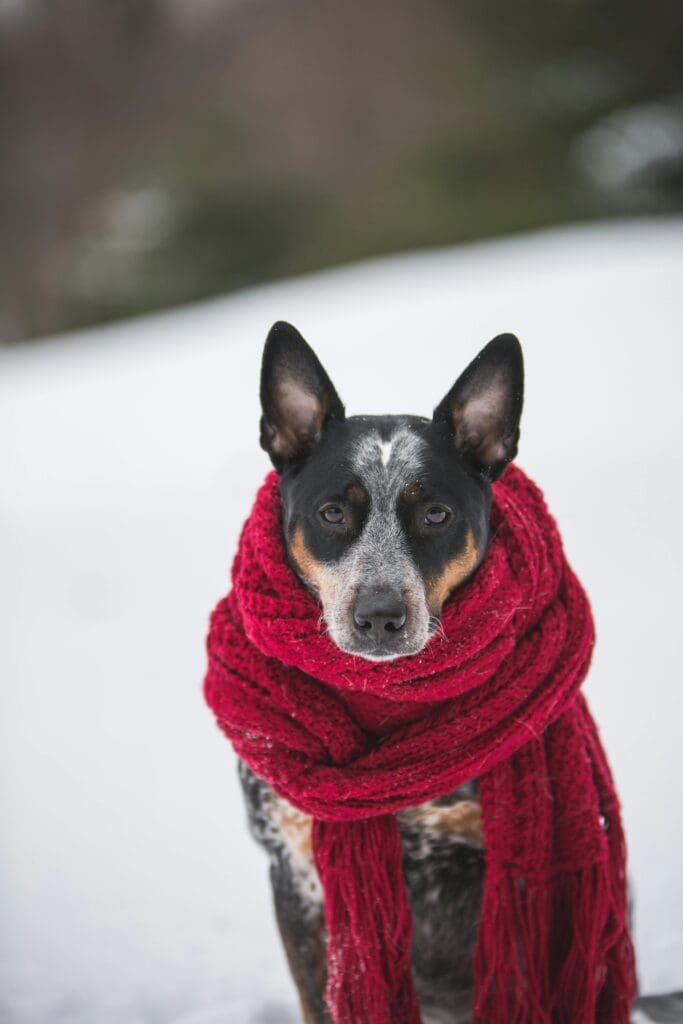
Why Training in Winter Works So Well
Dogs need both physical and mental exercise year-round. In winter, shorter outdoor sessions are balanced by increased indoor learning time. With fewer distractions like other dogs, kids playing outside, or wildlife, training becomes calmer and more productive.
Benefits of winter training include:
- Improved focus: Quiet environments help your dog tune into your commands.
- Stronger obedience: Frequent short sessions build reliability faster.
- Better impulse control: Cold weather and cabin fever teach patience.
- Stronger bond: Working together builds trust during slower months.
- Preparedness: By spring, your dog will already be trained and responsive.
When you focus on structure instead of waiting for warmer weather, you prevent bad habits from forming during downtime.
Checklist: Winter Training Goals
Use these winter months to strengthen essential obedience and manners:
- Reinforce “sit,” “down,” and “stay” indoors.
- Improve “come” (recall) for outdoor safety.
- Build calmness through the “place” command.
- Practice leash walking during short outdoor trips.
- Add impulse control drills like “leave it.”
- Engage your dog with structured play and enrichment.
- Maintain consistency with daily training sessions.
These exercises not only build better obedience but also keep your dog mentally sharp through the winter slump.
Indoor Training Tips for Cold Days
When the weather keeps you inside, turn your home into a training zone. You don’t need much space, just structure and creativity.
- Use hallways for recall drills.
- Practice “place” on a dog bed or mat to build patience.
- Work on “stay” while you move around the house.
- Reward calm behavior when guests arrive.
- Play scent games or use puzzle feeders to challenge your dog’s mind.
Indoor sessions are also great for improving focus. When your dog learns to listen amid household noises, they become more attentive in public spaces too.
Our post on how play shapes your dog’s development explores how mental stimulation and structured games strengthen learning, even when physical activity is limited.
Staying Active Outdoors Safely
Even in the cold, dogs benefit from time outside. The key is moderation and preparation.
Outdoor training tips:
- Schedule short, focused sessions, 10 minutes is plenty.
- Warm up first with indoor commands.
- Protect paws from ice and salt with booties or paw balm.
- Keep your dog dry with a weather-appropriate jacket.
- Reward calmness and good behavior despite the chill.
Cold weather sessions are excellent opportunities for reinforcing recall and leash manners. Training in mildly uncomfortable conditions also teaches resilience and adaptability.
Preventing Cabin Fever in Winter
Dogs that are under-stimulated can become anxious or destructive. To prevent boredom-related behaviors, focus on mental enrichment.
Ideas for keeping your dog busy indoors:
- Hide treats around the house for scent work.
- Use puzzle toys or frozen Kongs to occupy time.
- Practice obedience between commercial breaks or chores.
- Rotate toys weekly to keep interest fresh.
- Set small goals: one new trick per week.
Structure transforms downtime into progress. Even 10 minutes of daily obedience can replace an hour of physical exercise when done correctly.
When to Seek Professional Help
If your dog shows signs of restlessness, disobedience, or reactivity during the winter months, it may be time to seek help from a professional trainer. Structured guidance ensures your dog stays on track through seasonal challenges.
Our Basic & Advanced Obedience Program is ideal for developing calm, reliable obedience and improving focus indoors and outdoors. We use proven training methods that create balance and confidence no matter the season.
External Resource
For additional guidance on maintaining good habits and structure during training, review the AKC’s article on the dos and don’ts of effective dog training. It explains how consistency, timing, and patience are the most important elements of lasting results.
Winter Training Challenges and Solutions
Problem: Shorter walks lead to pent-up energy.
Solution: Increase mental enrichment and indoor play with structured sessions.
Problem: Cold weather reduces motivation for outdoor training.
Solution: Focus on short bursts of quality training rather than long outings.
Problem: Guests during the holidays disrupt routines.
Solution: Reinforce commands like “place” and “stay” before gatherings begin.
Problem: Dogs become anxious from lack of exercise.
Solution: Schedule multiple short sessions of obedience and controlled play throughout the day.
A structured plan prevents seasonal setbacks and keeps your dog’s progress steady.
FAQ: Winter Dog Training
Q: Is winter really a good time to start training?
A: Absolutely. With fewer distractions, it’s easier to build reliable obedience and establish consistent routines.
Q: Can dogs focus indoors as well as they do outdoors?
A: Yes, sometimes even better. Indoor environments eliminate external stimuli, allowing you to teach precision and patience.
Q: What if my dog doesn’t like cold weather?
A: Keep outdoor sessions short, then continue indoors. Training can happen anywhere, as long as structure remains consistent.
Q: How can I replace exercise when walks are limited?
A: Mental stimulation is key. Use enrichment toys, problem-solving games, and focused obedience to engage your dog’s mind.
Q: Should I wait until spring to join a training program?
A: No. Winter is an ideal time to get ahead. Dogs trained during colder months perform better when distractions return in spring.
Final Thoughts: Use the Season to Your Advantage
Winter training builds the foundation for a lifetime of obedience and calm behavior. By staying consistent, setting goals, and keeping your dog mentally active, you’ll enter spring with a better-behaved, more confident companion.
Dogs don’t stop learning when the weather changes, they adapt to their environment. When you guide them with structure and patience, even the coldest months can become a season of growth.
At Off Leash K9 Training Delaware, we help owners use this time to achieve lasting progress. Our approach ensures that every session, indoors or outdoors, strengthens your dog’s focus, obedience, and confidence.
Contact us today to schedule your consultation and make this winter your dog’s most productive season yet.