
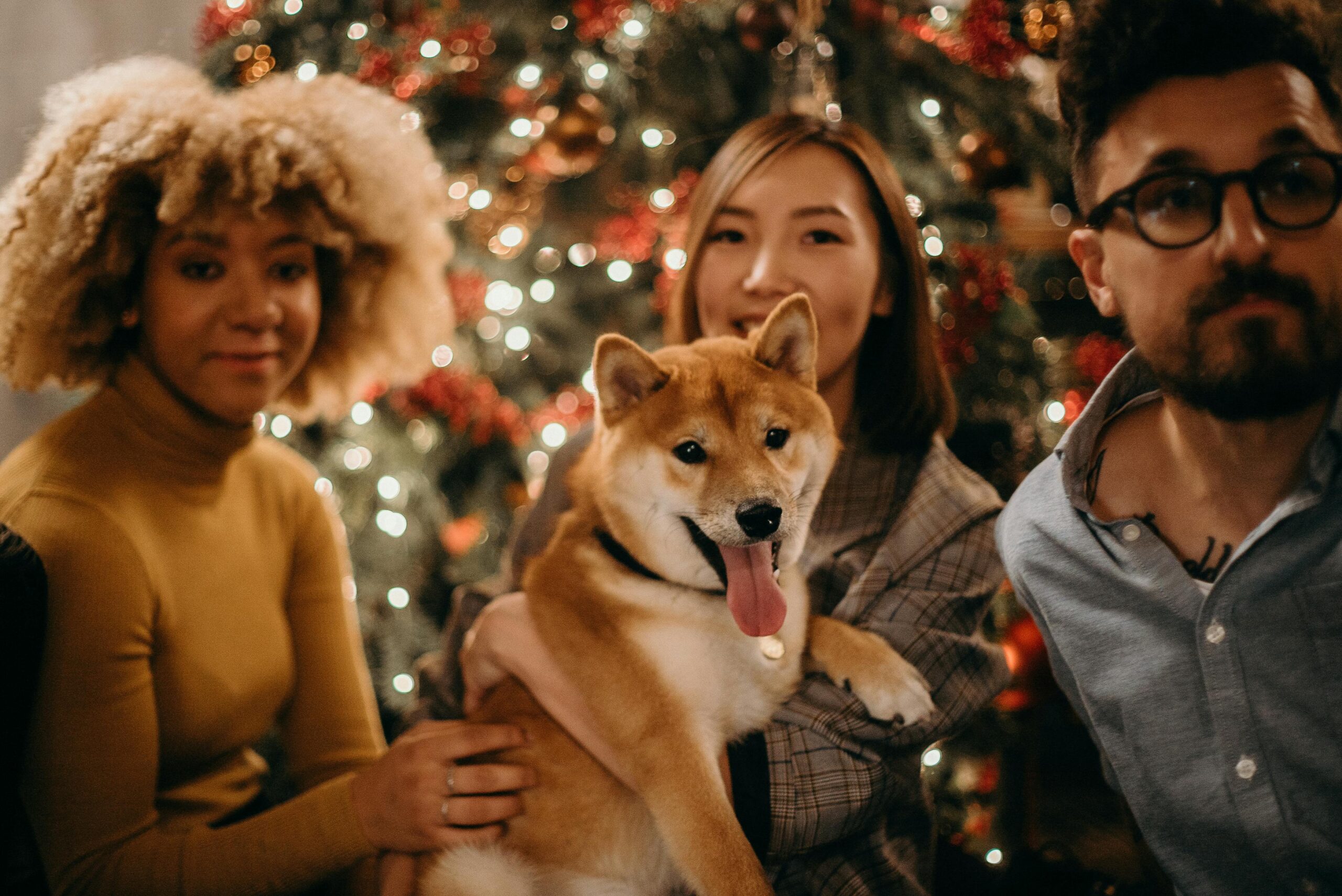
The Holidays Through Your Dog’s Eyes
The holiday season is full of excitement, family visits, delicious meals, and beautiful decorations. But what looks festive to us can be confusing or even dangerous to our dogs. New smells, shiny ornaments, and tempting treats can all lead to accidents if we are not careful.
From chocolate and tinsel to noisy gatherings, the season introduces hazards that owners often overlook. The good news is that with awareness, structure, and obedience training, your dog can stay safe and calm through all the festivities.
At Off Leash K9 Training Delaware, we teach that prevention begins with leadership. When your dog trusts your direction, it is easier to navigate distractions, food temptations, and chaotic moments.
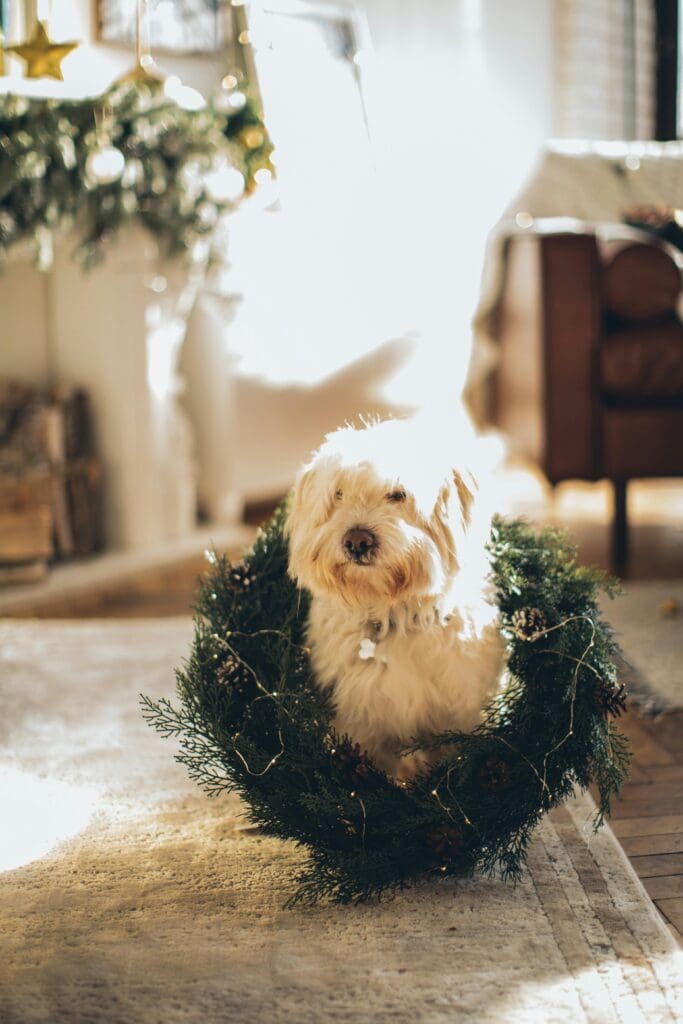
Common Holiday Hazards for Dogs
Even the best-behaved dogs can run into trouble during the holidays. Here are some of the most common risks:
- Toxic foods: Chocolate, grapes, raisins, onions, garlic, and xylitol (a sweetener found in sugar-free candy and baked goods) are all dangerous for dogs.
- Fatty leftovers: Turkey skin, gravy, and rich trimmings can cause pancreatitis.
- Bones: Cooked bones, especially from turkey or ham, can splinter and cause choking or intestinal damage.
- Decorations: Tinsel, ornaments, ribbons, and electrical cords can be deadly if chewed or swallowed.
- Holiday plants: Poinsettias, mistletoe, and holly can upset your dog’s stomach or cause poisoning.
- Candles and lights: Curious dogs may burn themselves or knock them over, creating fire risks.
Awareness and prevention are your best tools for keeping your dog safe this season.
Checklist: Holiday Safety Essentials for Dog Owners
- Keep all human food and trash securely stored.
- Avoid feeding leftovers or fatty scraps.
- Supervise your dog around trees and decorations.
- Use the “place” command during mealtime or parties.
- Limit exposure to guests if your dog is easily stressed.
- Keep emergency vet contact information visible.
- Reinforce obedience daily to maintain calmness and focus.
Preparation reduces risk and helps your dog feel secure even in busy environments.
Why the Holidays Can Overwhelm Dogs
The holidays bring new people, sounds, and scents into your home, which can trigger anxiety or overstimulation. Dogs thrive on consistency, and when their routine changes, it can lead to confusion.
Some dogs may bark excessively when guests arrive, while others may hide or pace. Maintaining structure through training keeps their confidence high. Commands like “place,” “sit,” and “stay” provide direction and predictability.
Our post on stress-free methods to help your dog navigate unfamiliar environments offers guidance on helping dogs remain composed during chaotic situations. The same principles apply to the holiday season, familiarity, consistency, and calm leadership make all the difference.
Managing Food Temptations
Holiday meals are full of irresistible smells, and dogs are natural opportunists. It only takes one dropped morsel or a distracted guest for trouble to start.
How to prevent food-related issues:
- Feed your dog before the main meal so they are not hungry.
- Use obedience commands like “leave it” to prevent begging or scavenging.
- Keep desserts, candy, and alcohol far out of reach.
- Ask guests not to slip food to your dog, even “just a bite.”
- Secure trash bins to prevent food raids after the party.
By reinforcing boundaries around food, you build discipline and keep your dog safe from dangerous ingredients.
Decoration Dangers You Might Overlook
Holiday decorations may seem harmless, but dogs see them as toys or snacks.
- Keep ornaments higher on the tree, out of reach.
- Avoid tinsel, which can cause intestinal blockages.
- Hide or tape down electrical cords.
- Do not use edible decorations like popcorn or cookies.
- Anchor your tree to prevent tipping if your dog bumps it.
For particularly curious dogs, block access to the tree using a gate or “place” training during family gatherings.
When Guests Arrive
Visitors often mean excitement, and that can translate into chaos for dogs without structure. Help your dog stay calm with clear expectations:
- Give your dog a quick walk before guests arrive.
- Use “place” or “down-stay” when people enter.
- Correct jumping politely and redirect with obedience.
- Provide breaks in a quiet room or crate to avoid overstimulation.
- Reward calmness, not excitement, with treats and praise.
A structured dog is easier to manage and less likely to act out when the house is full of people and energy.
External Resource
For more tips on protecting your pet during the holiday season, check out the AKC’s article on holiday safety tips for dog owners. It covers how to prevent accidents, avoid toxic foods, and handle high-energy celebrations safely for your dog.
Training as the Foundation for Safety
Training doesn’t just create obedience, it creates peace. When your dog understands commands like “leave it,” “come,” and “place,” you can manage situations before they escalate.
Our Basic Obedience Program is designed to teach these commands and reinforce reliable control even amid distractions. This foundation ensures that when temptations arise, your dog knows how to respond calmly and correctly.
With consistent training, the holidays become an opportunity to practice control and leadership, rather than a time of stress.
Recognizing Signs of Holiday Stress
Dogs show stress differently than humans. Watch for these signs during the holidays:
- Excessive panting or drooling.
- Pacing or trembling.
- Hiding or avoiding contact.
- Whining or barking excessively.
- Loss of appetite or upset stomach.
If you see these symptoms, give your dog a calm, quiet space to decompress. Consistent structure and familiar cues help them regain confidence quickly.
How to Create a Calm Holiday Environment
- Maintain your dog’s feeding and walk schedule as closely as possible.
- Keep music or TV on to drown out loud noises from parties or fireworks.
- Avoid overhandling or crowding your dog.
- Offer enrichment toys to redirect excess energy.
- Encourage guests to respect your dog’s space.
When your dog has predictable routines, it reduces stress and keeps behavior consistent throughout the season.
FAQ: Holiday Safety for Dogs
Q: Can my dog have leftovers from the holiday meal?
A: Only small portions of plain, safe foods such as turkey meat or vegetables. Avoid bones, gravy, and seasoning.
Q: What should I do if my dog eats something toxic?
A: Contact your veterinarian or emergency clinic immediately. Bring a sample or label of what they ingested.
Q: How can I help my dog handle guests better?
A: Use obedience drills before the event. Practicing “place” and “stay” builds control and reduces anxiety when people arrive.
Q: Are holiday candles and scents harmful to dogs?
A: Some scented candles and essential oils can irritate a dog’s respiratory system. Keep them out of reach and use unscented products when possible.
Q: How do I keep my dog from chewing cords or decorations?
A: Supervision is key. Redirect with toys and correct gently with “leave it.” Crate time or “place” command sessions can help manage curiosity.
Final Thoughts: Structure Creates a Safe and Joyful Holiday
Holidays are meant for joy, connection, and gratitude. With awareness and structured obedience, your dog can join in safely. The combination of training, consistency, and leadership turns potential hazards into opportunities for calmness and learning.
When your dog respects your guidance, they can enjoy the festivities without stress or danger. Every command you reinforce and every boundary you maintain builds confidence and safety that lasts long after the decorations come down.
At Off Leash K9 Training Delaware, we help owners and dogs build that bond through structured obedience and calm leadership.
Contact us today to schedule your consultation and make this holiday season joyful, safe, and stress-free for everyone, including your dog.