

As a professional dog trainer, I spend a lot of time helping owners improve behavior, reliability, and communication with their dogs. What I often explain is that lasting success does not come from training alone. Professional Training and Veterinary Care must work together to support a dog’s overall health. When medical care and structured training are aligned, dogs are calmer, more confident, and better equipped to handle daily life.
In Delaware, I frequently recommend that owners work closely with trusted veterinary providers like Red Lion Veterinary Hospital in New Castle. Their preventative care and medical expertise complement the structure and clarity that professional training provides.
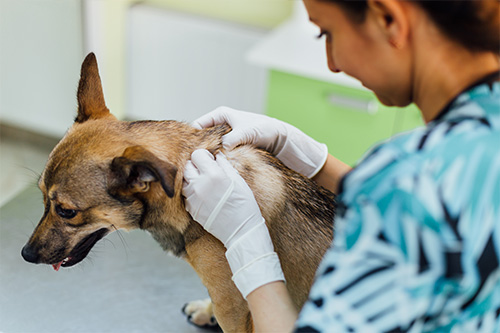
Why Professional Training and Veterinary Care Are Connected
Professional Training and Veterinary Care share a common goal, improving a dog’s quality of life. Veterinary care addresses physical wellness, pain management, and disease prevention. Training supports mental stability, stress reduction, and safe decision making.
Behavioral challenges are often linked to underlying medical issues. A dog that suddenly becomes reactive, withdrawn, or resistant may be experiencing discomfort that only a veterinarian can diagnose. When Professional Training and Veterinary Care work together, these issues are identified earlier and addressed more effectively.
Training Creates Better Veterinary Experiences
One of the most overlooked benefits of Professional Training and Veterinary Care working together is how training improves veterinary visits. Many dogs experience anxiety at the vet, which can make exams stressful and less accurate.
Through structured training, dogs learn how to remain calm in unfamiliar environments and tolerate handling. This makes visits to clinics like Red Lion Veterinary Hospital, located at 1047 Red Lion Rd in New Castle, safer and less stressful for everyone involved.
Training supports veterinary care by helping dogs:
-
Walk calmly on leash into clinical settings
-
Remain relaxed during exams
-
Tolerate ear, mouth, and paw handling
-
Recover more comfortably after procedures
When dogs are emotionally regulated, veterinary professionals can focus on delivering the best possible care.
Veterinary Care Supports Better Training Outcomes
Professional Training and Veterinary Care work both ways. Medical issues can significantly impact learning and behavior. Pain, digestive issues, joint problems, or hormonal imbalances often show up as distraction or resistance during training.
A thorough veterinary evaluation helps rule out physical causes before behavior is labeled as disobedience. Red Lion Veterinary Hospital provides comprehensive care that allows trainers to adjust expectations and methods based on a dog’s medical needs.
If you ever suspect health concerns are affecting your dog’s behavior, contacting their team at 302-834-2250 or by email at [email protected] is a responsible first step.
Stress Reduction Improves Long Term Health
Chronic stress negatively affects both physical and emotional health. Elevated stress hormones can weaken the immune system, worsen digestive issues, and slow healing. This is where Professional Training and Veterinary Care truly intersect.
Training provides structure and predictability. Veterinary care ensures dogs are physically comfortable and supported. Together, they reduce anxiety and help dogs feel safe in their environment.
This same principle is discussed in our internal resource on why winter training months are perfect for progress, where routine and consistency play a major role in overall wellness.
Choosing Training Programs That Support Health
Health focused training prioritizes clarity, consistency, and emotional regulation. Programs like our Basic Obedience Program are designed to support dogs of all ages, including those managing medical conditions or recovering from veterinary treatment.
Professional Training and Veterinary Care work best when training plans are adjusted to match a dog’s physical abilities and energy levels. This approach builds confidence without adding unnecessary stress.
When to Combine Training and Veterinary Support
Many owners ask when it is time to involve both a trainer and a veterinarian. Common signs include:
-
Sudden behavior changes
-
Regression in previously trained skills
-
Increased anxiety or reactivity
-
Sensitivity to touch or movement
-
Difficulty settling or resting
Addressing these signs early through Professional Training and Veterinary Care can prevent long term behavioral and health issues.
Final Thoughts
Dogs thrive when their physical and emotional needs are met together. Professional Training and Veterinary Care are not separate paths but complementary ones that lead to healthier, happier dogs. Training provides structure and communication, while veterinary care ensures comfort and medical stability.
If you want to build a training plan that supports your dog’s health and works alongside trusted veterinary care, the best place to start is by connecting with our team. You can learn more about how professional guidance can support your dog by reaching out to schedule a conversation about your training goals.