
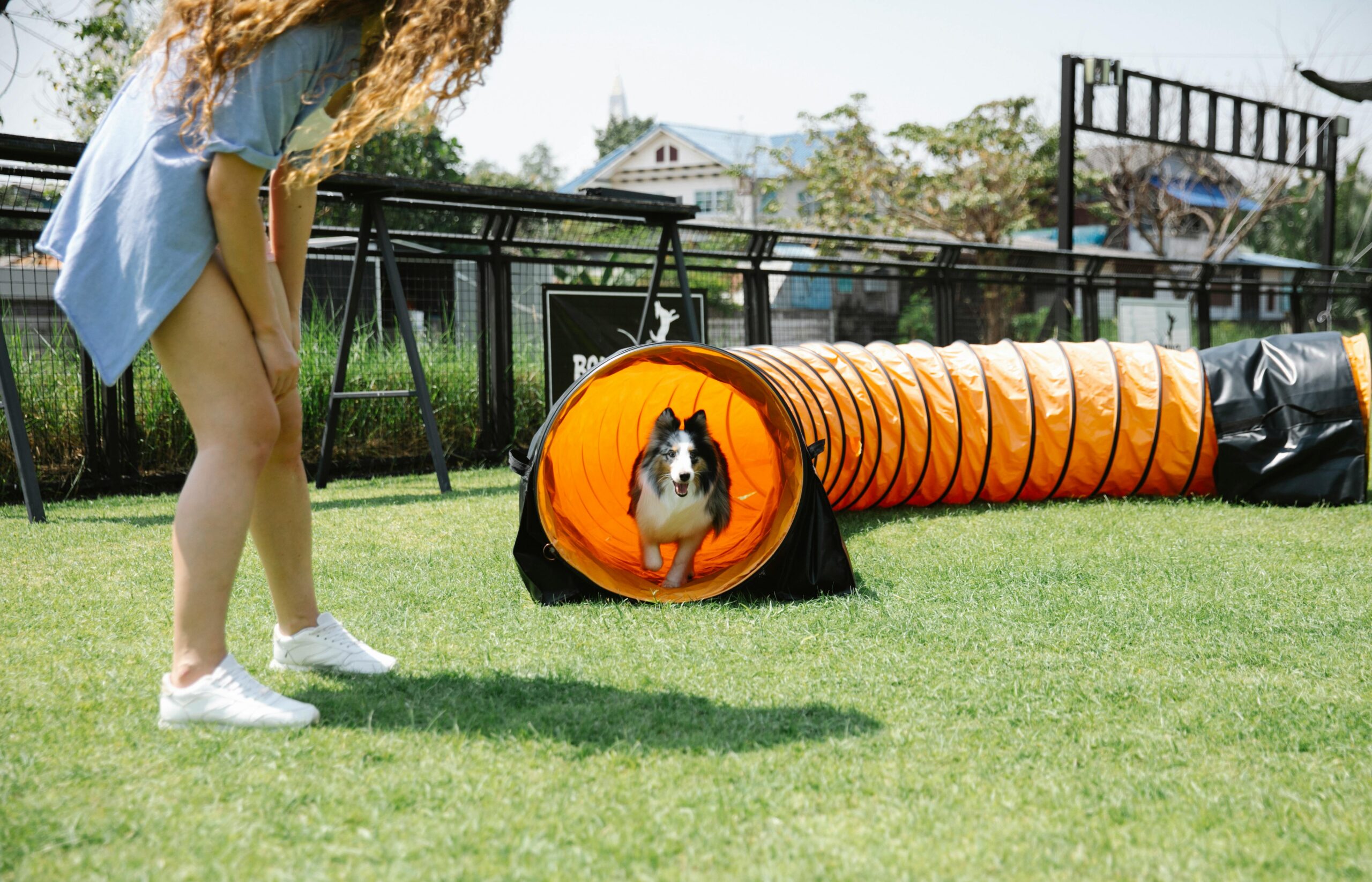
The start of a new year is when many dog owners feel motivated to improve habits, set goals, and finally follow through on training plans that may have fallen off track. As a professional dog trainer, I see this every January. The key difference between success and frustration is not motivation alone, it is building Training Routines that are realistic, consistent, and easy to maintain long term.
Dogs thrive on structure. When Training Routines are predictable and clear, dogs learn faster, retain skills longer, and feel more confident in their environment. The new year is the perfect time to reset expectations and create routines that actually stick.
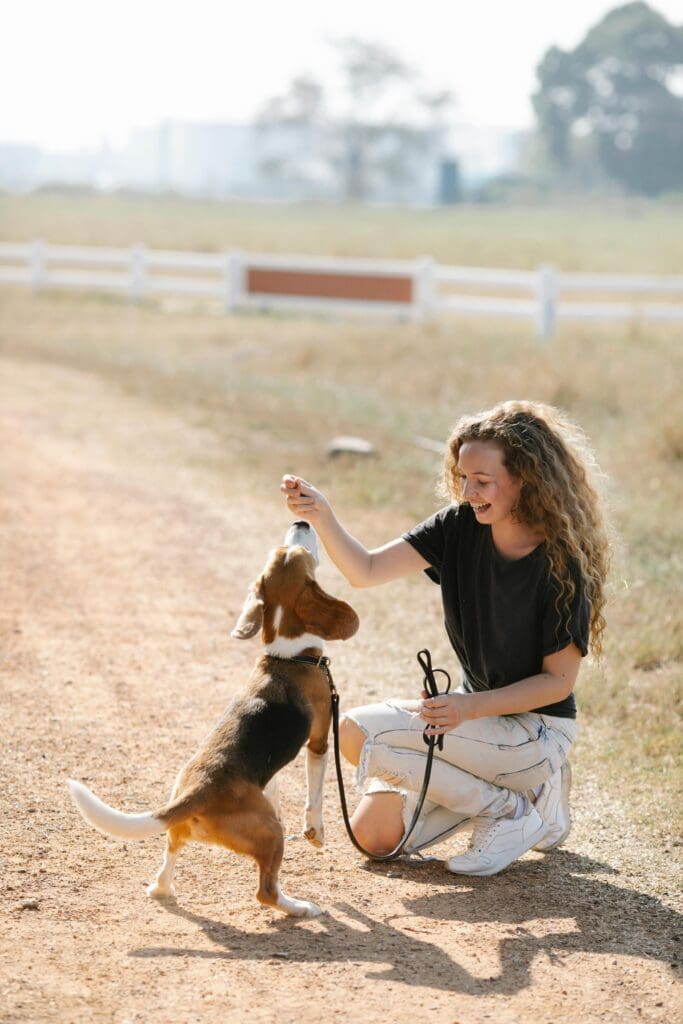
Why Training Routines Matter More Than Motivation
Motivation fades quickly. Training Routines create lasting habits. Dogs do not learn well from random practice sessions or inconsistent rules. They learn through repetition, timing, and clarity.
Strong Training Routines provide dogs with:
- Clear expectations
- Consistent communication
- Reduced stress and confusion
- Faster skill retention
When routines are built correctly, training becomes part of daily life rather than an extra chore.
Start Small to Build Reliable Training Routines
One of the biggest mistakes owners make is trying to change everything at once. Successful Training Routines start small and build gradually. Instead of committing to hour long sessions, focus on short, meaningful practice that fits naturally into your day.
Examples of simple routine building include:
- Practicing basic commands before meals
- Reinforcing calm behavior during leash clipping
- Using structured walks as training time
- Asking for a command before doorways
These moments add up quickly and reinforce Training Routines without overwhelming you or your dog.
Consistency Is What Makes Training Routines Stick
Consistency is more important than duration. Five minutes every day is far more effective than one long session once a week. Dogs learn through patterns. When Training Routines are predictable, dogs begin offering good behavior automatically.
Consistency also applies to rules. If jumping is not allowed today, it should not be allowed tomorrow. Mixed signals break down Training Routines and slow progress.
This concept ties closely into our internal resource on why winter training months are perfect for progress, where consistency and routine are emphasized as major contributors to long term success.
Keep Training Routines Clear and Simple
Dogs do not need complicated routines to succeed. Clear commands, consistent markers, and simple expectations lead to faster understanding. Overloading dogs with too many new behaviors at once often leads to frustration.
Strong Training Routines focus on:
- One or two skills at a time
- Clear verbal or physical cues
- Immediate feedback
- Calm repetition
When routines are simple, dogs feel confident instead of pressured.
Use Structure to Prevent Burnout
Burnout happens when training feels like work instead of progress. Training Routines should support your lifestyle, not disrupt it. This is where professional guidance can make a big difference.
Programs like our Basic Obedience Program are designed to help owners build Training Routines that fit into everyday life while still producing reliable results. Structured programs remove guesswork and help owners stay consistent without feeling overwhelmed.
Reinforce Progress Outside of Formal Training Time
Training does not stop when the session ends. Real world reinforcement is what makes Training Routines durable. Dogs need to practice skills in different environments and situations to fully understand them.
Everyday opportunities include:
- Asking for focus before crossing streets
- Reinforcing calm behavior around guests
- Practicing place commands during meals
- Rewarding neutrality around distractions
According to guidance from the American Kennel Club on effective dog training habits, consistency and real world reinforcement are key to long term success.
Adjust Training Routines as Your Dog Progresses
Training is not static. As dogs learn, Training Routines should evolve. What worked for a puppy may not work for an adolescent dog. What supported early learning may need adjustment as expectations increase.
Reevaluating routines every few weeks helps ensure progress continues. If something stops working, it does not mean training has failed. It means the routine needs refinement.
Final Thoughts
The most successful training plans are not built on motivation alone. They are built on routines that are clear, consistent, and sustainable. When routines become part of daily life, dogs learn faster and owners stay committed.
If you want help creating routines that actually stick this year and fit your dog’s needs, connecting with a professional trainer can make all the difference. You can start the process by reaching out to our team to talk through your goals and build a routine that works and set your dog up for long term success.