
Why Crate Training Gets a Bad Reputation
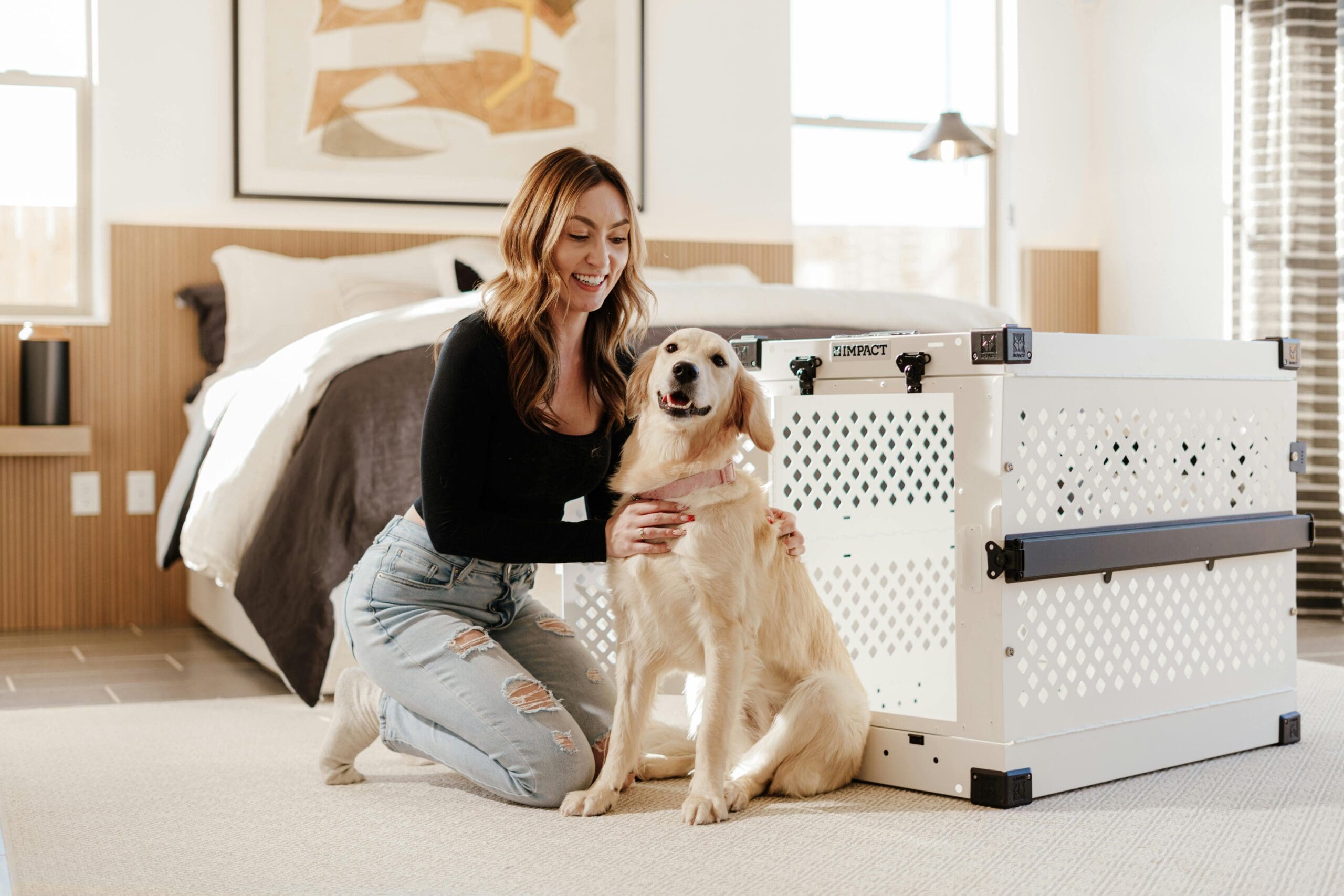
When I bring up crate training with new clients, I often hear the same concern: “I don’t want my dog to feel like they’re in jail.” It is a common misconception. The truth is that when introduced properly, a crate becomes one of your dog’s favorite safe spaces.
Dogs are den animals by nature. They seek out cozy, enclosed areas for rest and security. A crate taps into that instinct, providing structure while preventing unwanted behaviors. Far from being punishment, a crate is a tool for calmness, safety, and long term training success.
The Real Benefits of Crate Training
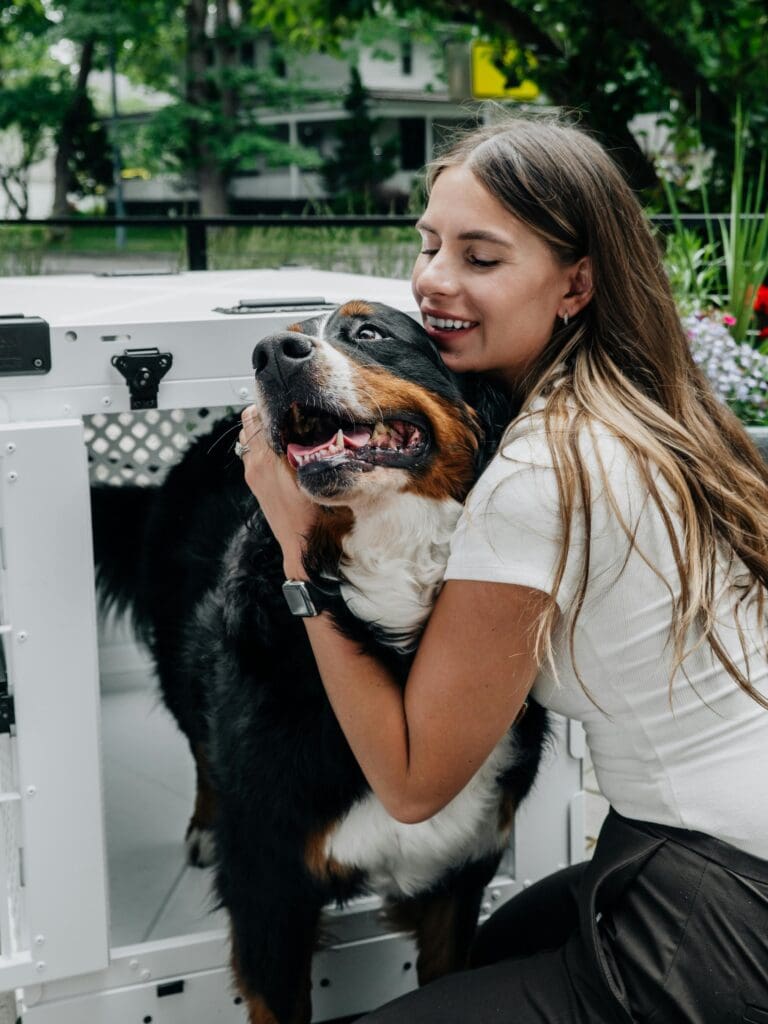
Here are the top reasons I recommend crate training for nearly every dog:
- Housebreaking made simple: Dogs naturally avoid soiling their sleeping area, which speeds up potty training.
- Safety and peace of mind: Prevents chewing, accidents, or injuries when you cannot supervise.
- Reduces anxiety: Creates a predictable, calm environment that encourages rest.
- Helps with travel: A crate trained dog rides more safely in the car and adapts better to hotel stays or flights.
- Provides structure: Gives dogs a clear routine that promotes relaxation and better behavior.
Crates are especially helpful during big life transitions, such as the start of the school year or family trips. Our post on crate training during summer travel explains how creating a positive crate routine pays off at home and on the road.
How to Introduce the Crate Positively
Crate training should always focus on creating positive associations. Here is how to get started:
- Make it inviting: Add soft bedding and a favorite toy.
- Use food rewards: Feed meals or special treats in the crate.
- Start small: Encourage your dog to enter with the door open before closing it.
- Keep sessions short: Begin with a few minutes and gradually build up.
- Never force: Let your dog explore at their own pace.
Your energy matters. If you treat the crate as normal and safe, your dog will too.
Sizing and Placement: Where the Crate Goes and How Big It Should Be
- Choose the right size: Your dog should be able to stand up, turn around, and lie down comfortably. Too large and housebreaking becomes harder. Too small and the crate will feel uncomfortable.
- Pick a calm location: Place the crate in a quiet area that still feels connected to family life. Many homes do best with the crate in the living room during the day and the bedroom at night for young puppies.
- Consider a divider: If you buy a larger crate for a growing puppy, use a divider to adjust space as they mature.
When and How to Use the Crate
Think of the crate as a tool for structure, not isolation. Good times to use the crate include:
- Bedtime, so your dog has a consistent sleeping place.
- Short rest periods during the day when supervision is not possible.
- Travel or visits to new environments.
- Times when your dog is overstimulated and needs a break.
Avoid crating your dog as punishment. The crate should always feel like a safe retreat, never a place for discipline.
Age and Schedule Guidelines
- Young puppies: Several short crate sessions across the day. Frequent potty breaks. Expect overnight outings at first.
- Adolescents: Maintain a predictable routine with exercise before crate time. Keep sessions reasonable and provide enrichment.
- Adults: Continue using the crate as a restful den when needed. Many adult dogs will choose the crate on their own if you keep it accessible.
Night Routine and Whining Troubleshooting
- Provide a last potty break, then calmly guide your dog to the crate with a small treat.
- Keep the bedtime routine consistent. Lights down, low stimulation, and a calm tone.
- If whining starts, first rule out potty needs. If they do not have to go, give a quiet “settle” and wait for calm before offering attention.
- Avoid letting your dog out while actively whining. That teaches them that noise opens the door.
Common Mistakes to Avoid
Crate training can backfire if used incorrectly. Watch for these pitfalls:
- Leaving your dog crated for excessively long periods without breaks.
- Using the crate only after bad behavior, which makes it feel like a penalty.
- Failing to provide exercise and mental stimulation outside the crate.
- Inconsistent rules and routines that confuse your dog.
When done right, the crate becomes a balance point in your dog’s daily life, not a source of stress.
AKC Insight: Practical Tips That Make Crate Training Easier
The American Kennel Club’s crate training tips for puppies stress calm introductions, short sessions, and steady routines. They also highlight the value of pairing the crate with positive experiences, such as feeding time and quiet chews, to build a lasting association of safety and comfort.
When to Seek Help
Some dogs may resist crate training due to separation anxiety or past negative experiences. In these cases, professional guidance is crucial. Our Basic Obedience Program builds confidence and creates structure that supports crate success. If your dog struggles with whining, pacing, or destructive behavior, tailored coaching will speed up progress and protect your dog’s well being.
Crate Training Is About Freedom, Not Restriction
When you reframe the crate as a safe place, you unlock more freedom for your dog. A dog that respects their crate earns greater trust and more opportunities to join family outings, travel, and public activities. The crate becomes a reset button for calmness, not a cage.
Final Call to Action
If crate training feels overwhelming or if your dog struggles with anxiety, our team at Off Leash K9 Training Delaware is here to help. With proven strategies and positive reinforcement, we can make the crate a place your dog loves.
Contact us today to schedule your training consultation and discover how crate training can transform your dog’s routine.