
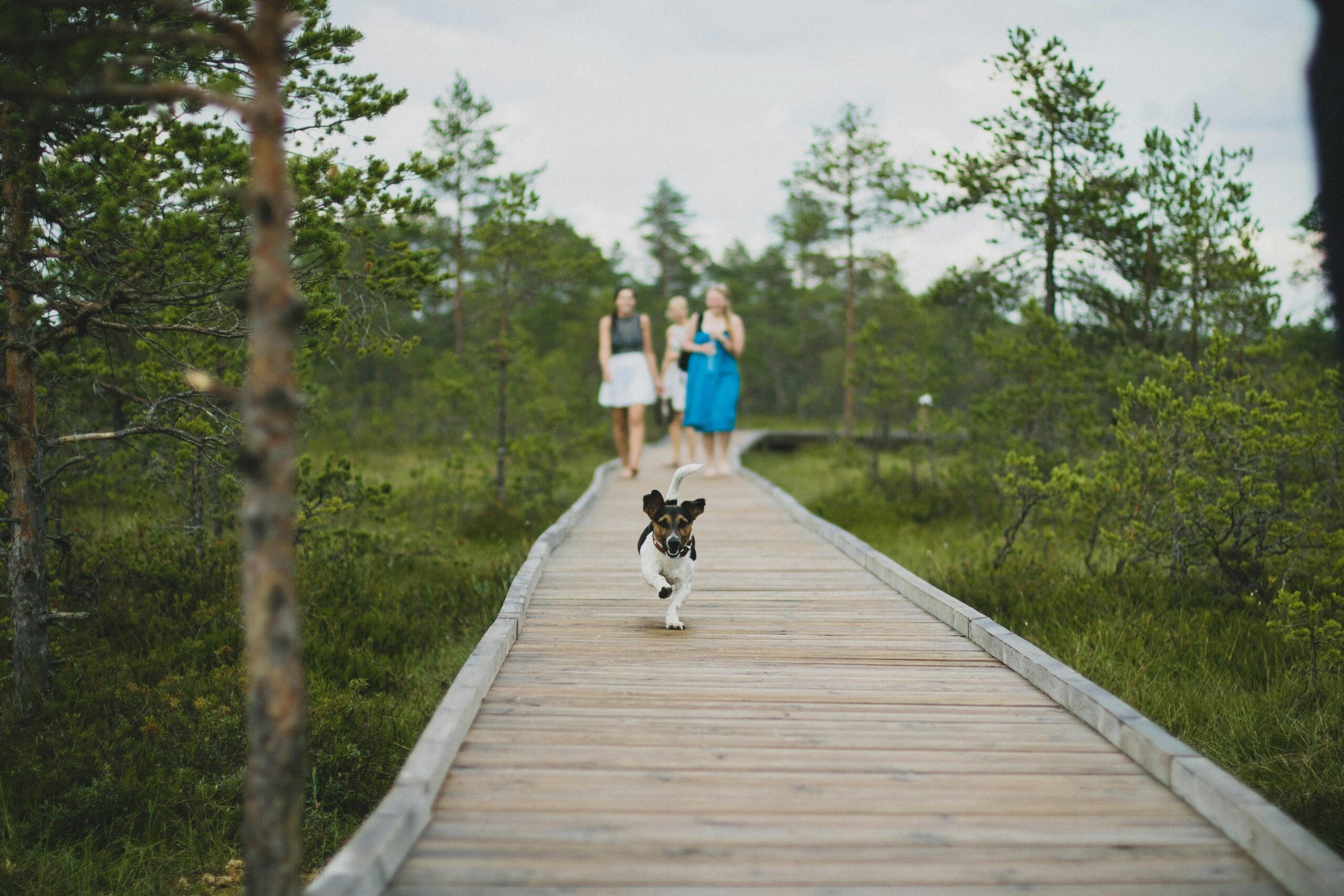
Ask ten dog owners about dog parks and you will likely hear ten different opinions. Some see them as a great way to burn energy and socialize. Others avoid them altogether, citing risks of fights, overstimulation, or bad habits.
As a trainer, I believe the real answer depends on your goals. If you want your dog to be obedient, reliable, and confident in real-world environments, structured play often offers more benefits than free-for-all dog park chaos.
Let’s break down the difference.

The Dog Park: Freedom With Risks
Dog parks are designed to give dogs space to run and interact off leash. They can provide:
- Exercise: Open space to sprint and play fetch.
- Variety: New dogs, smells, and environments.
- Convenience: A quick outlet for high-energy dogs.
But there are also drawbacks:
- Unpredictable dogs with unknown temperaments.
- Owners who may not monitor their dogs closely.
- Reinforcement of bad habits like rough play or ignoring recall.
- Risk of illness or injury from unsupervised interactions.
If you visit dog parks, supervision and strong recall are non-negotiable. Without those, it is easy for bad behaviors to outweigh the benefits.
Structured Play: Fun With Purpose
Structured play refers to intentional, guided activities that build skills while providing fun. This can include fetch, tug, agility drills, hide-and-seek, or obedience games in the backyard or with trusted friends.
Benefits of structured play:
- Reinforces commands: “Sit,” “stay,” “drop it,” and “come” can all be worked into games.
- Safe environment: You control which dogs, toys, and situations are included.
- Stronger bond: Your dog learns to look to you for direction.
- Less overstimulation: Dogs stay focused and calm rather than spiraling into chaos.
Structured play teaches dogs that fun comes from listening to their handler, not ignoring them. Our how play shapes your dog’s development guide explains why play-based learning is such a powerful tool for long-term behavior.
Which One Builds Better Obedience?
If your goal is a reliable, well-behaved companion, structured play will almost always outperform random dog park outings. At parks, dogs often practice ignoring commands. During structured play, every game reinforces listening, impulse control, and calmness.
That said, a well-trained dog with solid recall and neutrality can enjoy both. The key is that training comes first. Once obedience is consistent, occasional dog park visits can be added as a reward, not as the primary outlet.
How to Make Either Option Safer
Whether you choose parks, structured play, or a mix of both, here are safety tips to keep in mind:
- Always monitor interactions closely.
- Do not allow dogs to overwhelm yours if they seem stressed.
- Keep training short and upbeat. End before your dog is overstimulated.
- Rotate toys to keep play fresh and engaging.
- Practice recall daily, even when you do not plan on off-leash time.
Our Basic & Advanced Obedience Program is designed to prepare dogs for these real-world scenarios, giving them the tools to stay focused in distracting environments.
A Trainer’s Perspective
I rarely discourage dog parks altogether, but I caution owners not to rely on them as their primary training outlet. Parks can be unpredictable. Structured play, on the other hand, is predictable, safe, and intentional. It builds both skills and confidence.
For families who want obedience that holds up around distractions, structured play is the foundation. Dog parks can be an optional supplement once your dog has proven reliable.
Additional Resource
Before bringing a young dog to an off-leash space, it helps to know what to look for and how to prepare. This Preventive Vet overview on what you should know before taking your puppy to the dog park covers readiness, safety, and etiquette so your training stays on track.
Final Call to Action
Whether you want your dog to thrive in public settings, enjoy calm structured play, or simply have better recall at the park, Off Leash K9 Training Delaware can help. We specialize in creating obedient, reliable dogs who succeed in both structured and social environments.
Contact us today to schedule your consultation and give your dog the training foundation they deserve.