
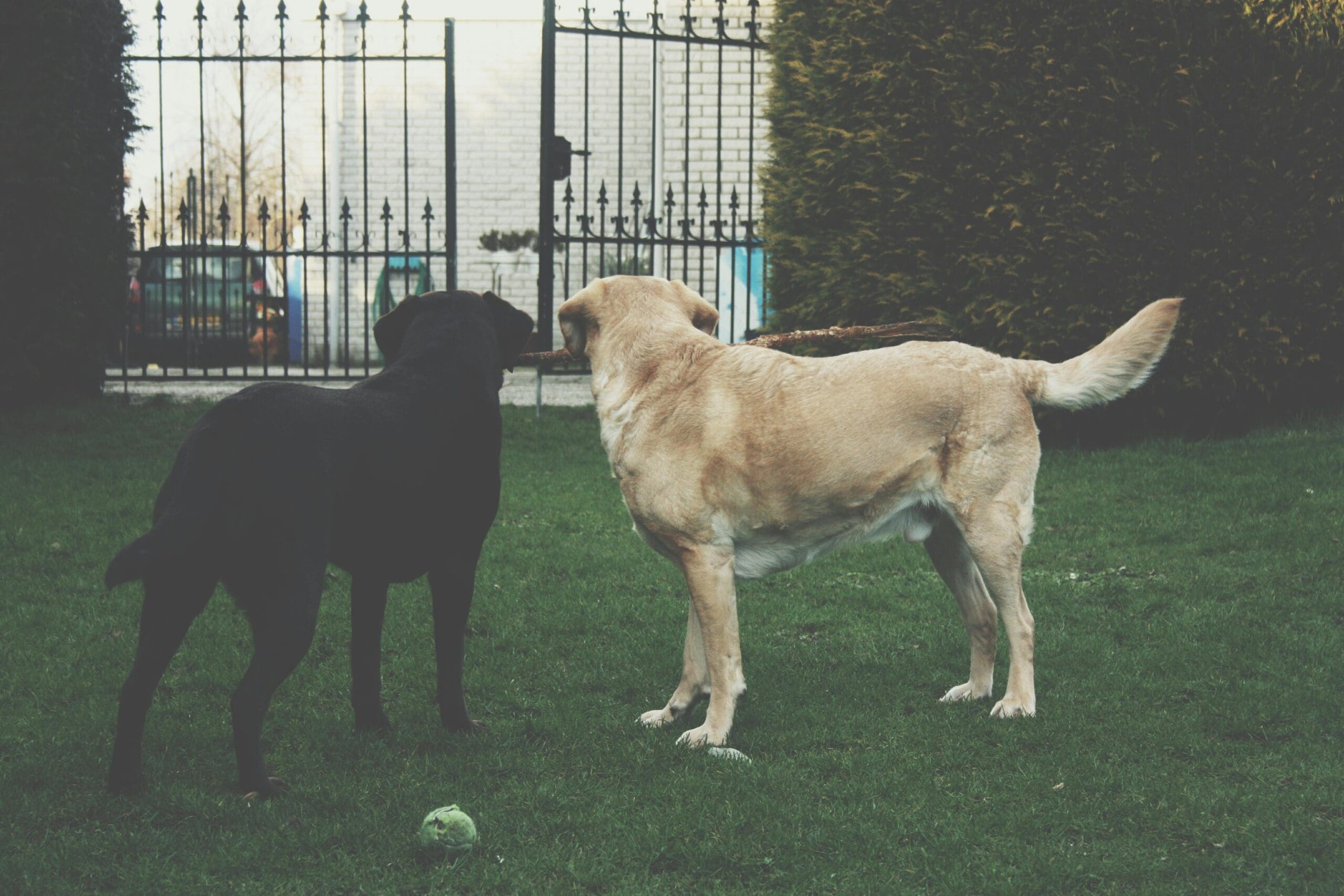
Living in a multi-dog household can be joyful, but it also brings unique challenges. From feeding time to walks and play, multiple dogs can create competition, chaos, or confusion if structure is missing. Without clear leadership, dogs may develop bad habits, jealousy, or even aggression toward one another.
The good news is that with consistency and training, multi-dog households can run smoothly. Let’s look at proven strategies to keep peace and order when you share your home with multiple pups.
Individual Training First
Before dogs can succeed together, they must succeed individually. Each dog should know:
- Basic obedience commands like sit, down, come, and place.
- Leash manners to avoid pulling or tangling during group walks.
- Impulse control around food, toys, and guests.
Working with each dog one-on-one ensures they can handle distractions and expectations before you layer in the complexity of multiple dogs.
Establish Clear Leadership
Dogs thrive on structure. In multi-dog homes, that means you set the tone, not the dogs.
- Be consistent with rules for all dogs.
- Avoid showing favoritism.
- Reward calmness and compliance, not pushiness.
- Control resources like food, toys, and attention so they come from you, not from competition.
Our mastering pack leadership guide explains why strong leadership is key to maintaining balance in households with multiple dogs.
Feeding Time Without the Fuss
Mealtime is often when conflict arises. To prevent fights or resource guarding:
- Feed dogs separately, in crates or designated spaces.
- Do not leave food bowls out after meals.
- Use mealtime as a training opportunity for commands like “wait” and “okay.”
Structured feeding reinforces boundaries and reduces competition.
Group Training Sessions
Once individual obedience is reliable, practice with multiple dogs together.
- Start with short sessions using low distractions.
- Use place boards or mats to keep dogs separated while practicing commands.
- Reward calmness when dogs remain focused despite another dog’s presence.
- Slowly increase distractions and complexity.
This builds patience and neutrality among dogs while strengthening your leadership role.
Managing Playtime
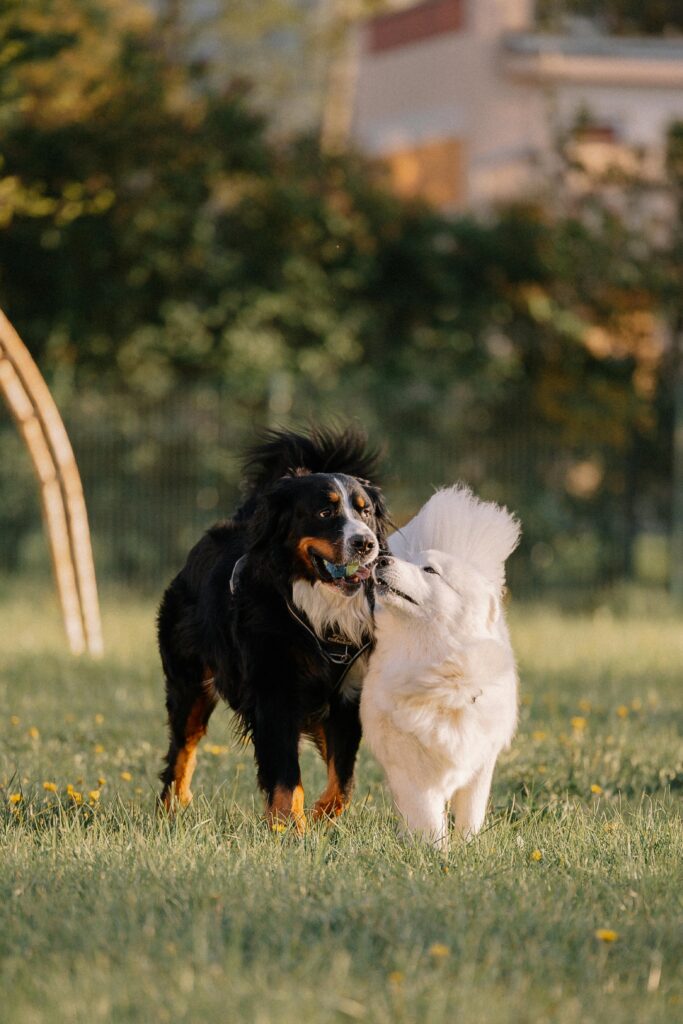
Play between dogs can be positive, but it must be supervised.
- Watch for signs of escalating energy that could lead to fights.
- Interrupt play with obedience commands like “come” or “place” to reset energy.
- Rotate high-value toys to prevent resource guarding.
- Ensure each dog gets individual playtime with you.
Balance is essential: too much unstructured play can erode training, while structured play strengthens obedience and relationships.
FAQ: Multi-Dog Training
Q: Should I train all my dogs at once?
Not at first. Start with one-on-one sessions, then gradually combine them.
Q: What if my dogs compete for attention during training?
Rotate focus. Reward one dog for waiting patiently while the other works.
Q: Can older dogs learn alongside younger ones?
Yes. Older dogs can model calm behavior, but they also need individual attention to avoid frustration.
Q: How do I stop fights over toys or food?
Manage the environment. Separate feeding areas, rotate toys, and reward calm sharing behaviors.
Q: Is professional training worth it for multi-dog homes?
Absolutely. Trainers can help balance pack dynamics and build consistency across all dogs.
External Resource
For additional guidance, the AKC offers a great breakdown on training multi-dog households. It highlights how consistency, leadership, and structure are the backbone of harmony in homes with more than one dog.
When to Seek Professional Help
If you notice signs of tension, jealousy, or aggression between your dogs, do not wait for it to worsen. Our Basic & Advanced Obedience Program addresses multi-dog challenges by reinforcing individual control and teaching neutrality in shared environments.
Final Thoughts
Managing a multi-dog home does not have to feel overwhelming. With structure, leadership, and consistent training, your dogs can live in harmony and thrive together.
Contact us today to schedule your consultation and let us help create balance in your home.