
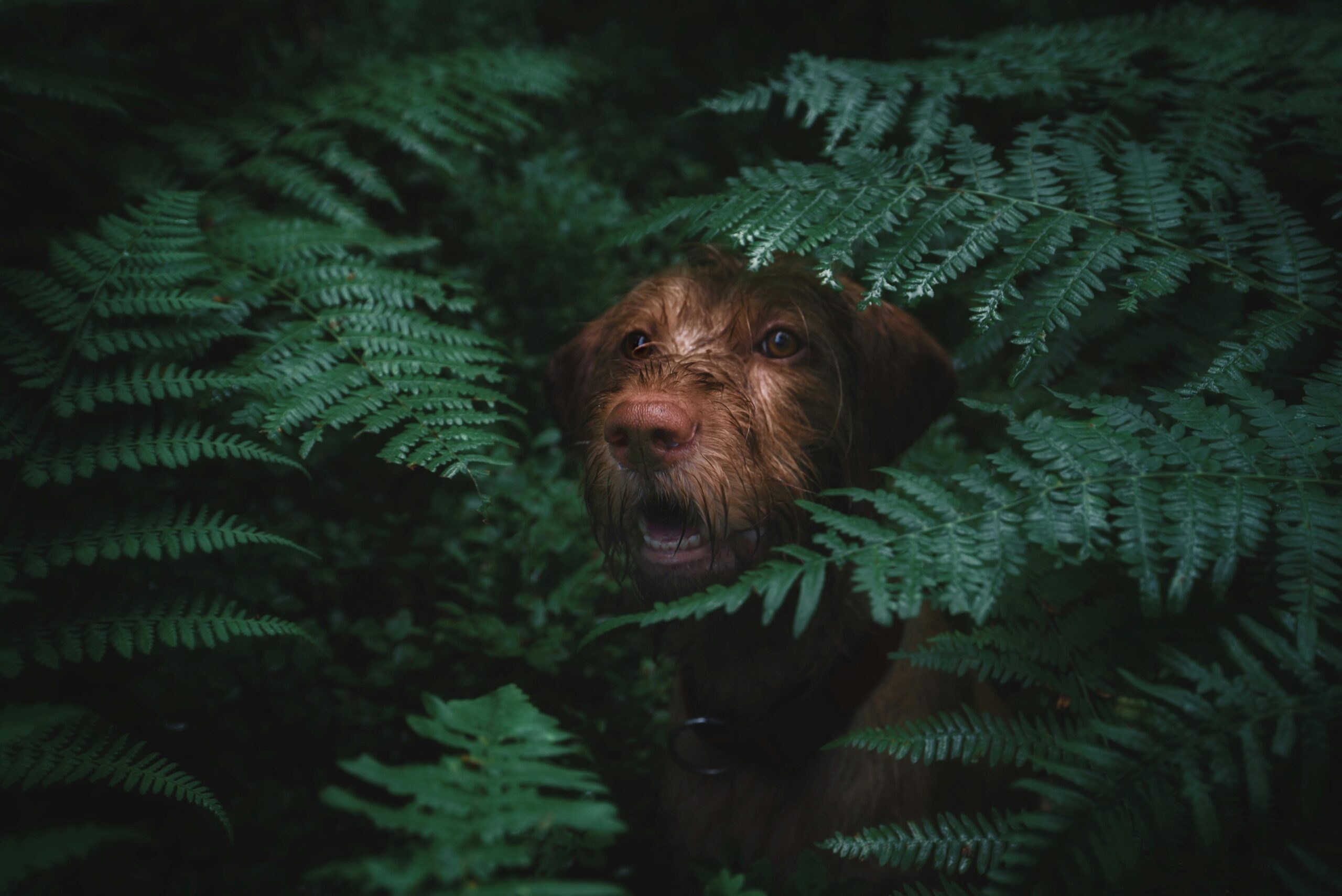
Bad Weather has a way of exposing cracks in even the best behaved dogs. Thunder, heavy rain, high winds, and sudden pressure changes can turn a normally calm dog into a pacing, panting bundle of nerves. As a trainer with Off Leash K9 Training Delaware, I see this often. The good news is that Bad Weather does not have to mean bad behavior. With the right structure, obedience training, and calm leadership, storms can become just another manageable part of your dog’s environment.
In this article, I want to explain why dogs struggle during storms, how Bad Weather affects behavior, and how professional dog training can help build calm, confident responses that last well beyond storm season.
Why Bad Weather Triggers Anxiety in Dogs
Bad Weather affects dogs differently than people. Dogs hear thunder earlier, feel barometric pressure changes, and often associate storms with past negative experiences. When those sensations stack up, anxiety shows itself through behavior.
Common storm related behaviors include:
-
Pacing or inability to settle
-
Hiding or attempting to escape
-
Vocalizing or destructive behavior
-
Loss of obedience and focus
From a training perspective, these reactions are not disobedience. They are stress responses. At Off Leash K9 Training Delaware, we focus on behavior transformation by teaching dogs how to regulate themselves instead of reacting emotionally to Bad Weather.
How Obedience Training Builds Calm During Storms
Obedience training is not just about commands. It teaches dogs how to process pressure and remain responsive under stress. During Bad Weather, dogs fall back on whatever structure they know best.
When dogs have a strong obedience foundation, they can:
-
Hold a place command during storms
-
Respond to leash guidance instead of fleeing
-
Look to their handler for direction
-
Recover faster after loud noises
This is why programs that emphasize off leash reliability and impulse control matter. Structured training gives dogs something productive to focus on when Bad Weather hits.
Why Routine Matters More During Bad Weather
Bad Weather often disrupts normal routines. Walks get skipped. Outdoor play stops. Energy builds up indoors. This lack of structure increases anxiety and makes storm reactions worse.
Maintaining routine is critical. This principle is discussed in our internal blog on why winter training months are perfect for progress. When dogs know what to expect, their confidence increases, even when the environment feels unpredictable.
During storms, routine should include:
-
Scheduled training sessions indoors
-
Consistent feeding and rest times
-
Calm, neutral handling from owners
-
Clear expectations for behavior
Routine anchors dogs when Bad Weather creates uncertainty.
Avoiding Common Mistakes During Storm Anxiety
Many well meaning owners accidentally reinforce storm anxiety. Comforting fearful behavior, allowing frantic pacing, or abandoning rules teaches dogs that panic is appropriate during Bad Weather.
Instead of reassurance through emotion, dogs need leadership through structure.
Avoid:
-
Excessive petting during panic
-
Allowing dogs to break commands
-
Introducing new fears or distractions
-
Letting storms excuse poor behavior
Professional dog training focuses on calm neutrality. This approach builds dog confidence rather than dependence.
Choosing the Right Training Program for Storm Resilience
Not every dog needs the same level of support. Dogs with mild anxiety may improve through consistent Basic Obedience and routine reinforcement. Dogs with severe storm reactions often benefit from immersive training environments.
At Off Leash K9 Training Delaware, programs like Board and Train allow dogs to practice calm behavior under controlled stress with professional guidance. These programs emphasize obedience training, off leash reliability, and emotional regulation.
This same mindset applies to multi dog households, which often see anxiety spread during storms. Our internal article on multi dog success through expert training strategies explains how structure prevents chaos when multiple dogs react to Bad Weather at once.
What Science Says About Storm Anxiety and Training
High authority research supports structured training over emotional reassurance when addressing storm fear. According to the American Kennel Club’s guidance on thunderstorm anxiety, predictable routines, calm leadership, and obedience work are key components of managing noise related fear.
This aligns directly with professional dog training methods focused on behavior transformation rather than avoidance.
Final Thoughts and Next Steps
Bad Weather will always happen. How your dog responds to it can change. Calm behavior during storms is not about eliminating fear completely, it is about teaching dogs how to stay grounded, responsive, and confident under pressure.
If your dog struggles with storms, obedience training can make a meaningful difference. At Off Leash K9 Training Delaware, we help dogs build the structure and confidence needed to handle real world stress, including thunder, wind, and severe weather. If you are ready to help your dog develop calmer behavior during Bad Weather, I encourage you to reach out through our contact page to discuss training options that fit your dog’s needs.