
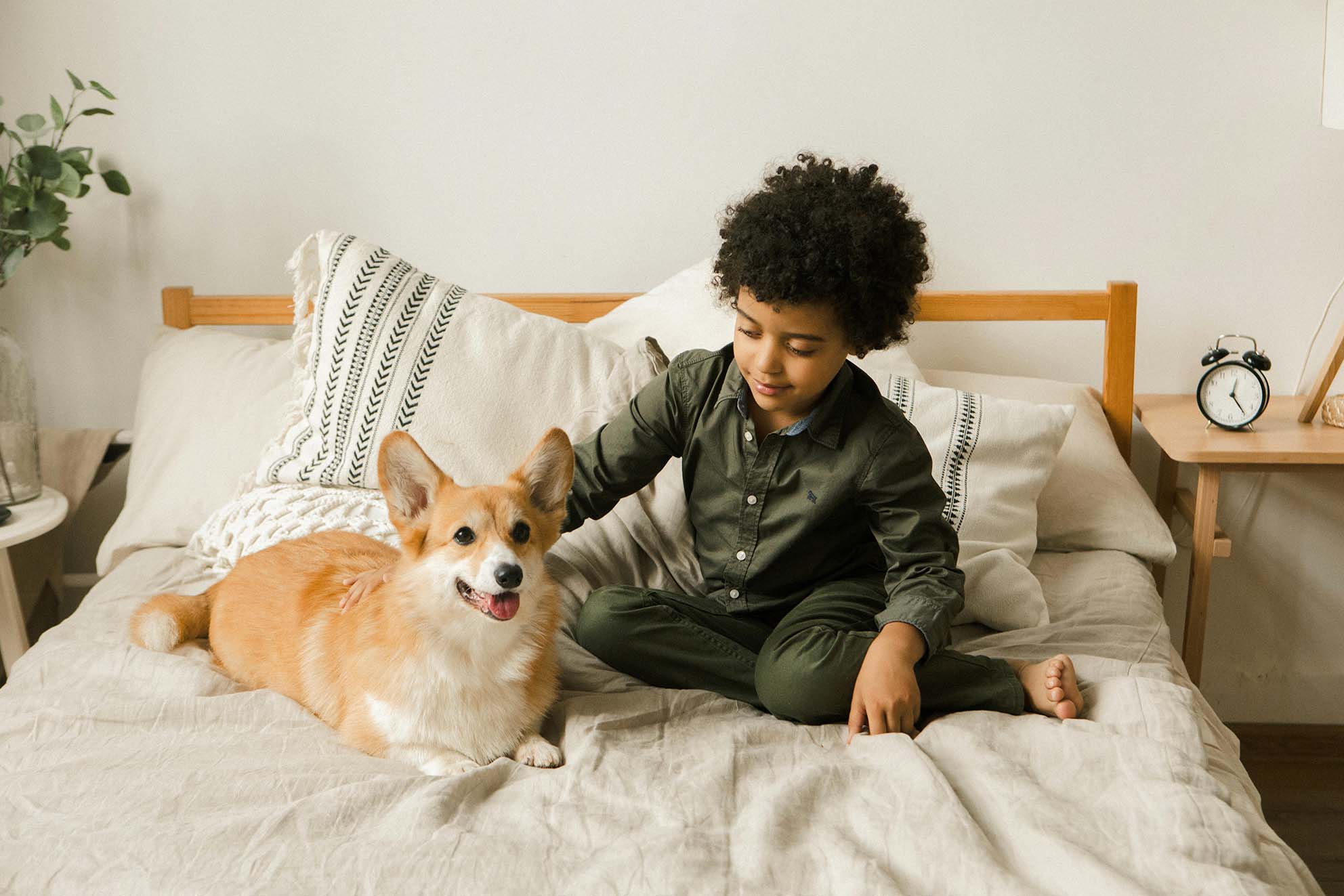
Raising Kids and Dogs Together: A Trainer’s Perspective
As a professional dog trainer and parent, I know firsthand that combining kids and dogs in one household can be equal parts rewarding and chaotic. From accidental leash tugs to boundary-blurring roughhousing, even the sweetest dog can become overwhelmed without proper guidance. The good news? With structure, consistency, and age-appropriate involvement, families can create a respectful and fun environment where both kids and dogs thrive.
Let’s dig into real-world strategies that work.

Why Kids and Dogs Need Training, Together
Dogs aren’t born knowing how to behave around children, and kids aren’t naturally gentle or aware of canine cues. Training both sides of the leash is crucial.
Here’s why shared training is non-negotiable:
- Dogs learn boundaries: No jumping, no stealing toys, no resource guarding.
- Kids build empathy: They learn canine body language and how to be kind leaders.
- Trust grows: Clear expectations prevent accidents and misunderstandings.
- Consistency improves behavior: When the whole family follows the same commands, your dog learns faster.
If your dog is struggling with hyperactivity or boundary control, we recommend starting with our Basic Obedience Program, which focuses on teaching impulse control and leash manners in real-world situations.
Tip #1: Set Rules for Kids and Dogs Alike
Family harmony starts with clear household rules. Examples:
- No dogs on the couch unless invited
- No kids bothering the dog while they’re eating or sleeping
- Dogs wait calmly at doors and stairs
- Kids ask permission before petting or handling the leash
Post these rules somewhere visible. Reinforce them daily until they become second nature.
Tip #2: Teach Calm Behavior With Positive Reinforcement
Use treats and praise to reward your dog for:
- Laying quietly during playtime
- Ignoring dropped toys or snacks
- Walking calmly beside the stroller or bike
Likewise, encourage your child to use a soft voice, slow movements, and praise when the dog does something right. This teaches mutual respect.
For more on play-based strategies that reinforce calmness, check out our guide on how play shapes your dog’s development.
Tip #3: Supervise All Interactions (No Exceptions)
Even well-trained dogs can snap if startled, hurt, or overwhelmed. Always supervise when:
- Friends come over and crowd the dog
- Toddlers crawl or walk unsteadily around the dog
- The dog has a bone, chew, or food
- Any new toys or loud sounds are introduced
Use baby gates or crates to create calm “off-duty” zones where your dog can rest uninterrupted.
Tip #4: Involve Kids in Age-Appropriate Training Tasks
Letting your child take part in training strengthens their bond with your dog and teaches leadership in a fun, structured way.
Here are some tasks kids can help with:
- Ages 3–5: Toss treats during basic commands (sit, down)
- Ages 6–8: Lead short leash walks in the yard
- Ages 9–12: Run short training drills like “place” or “stay”
- Teens: Help reinforce training during walks, outings, and play sessions
This shared effort reinforces consistency, which is key to reliable obedience.
Tip #5: Prepare for Real-World Distractions
Nothing trains like real life. The backyard BBQ, a bike ride to the park, or soccer practice in the front yard all offer teachable moments. If your dog struggles with distractions, work in short sessions near the action and slowly build up their tolerance.
We also recommend using place boards, leashes, and remote training tools to provide structure when things get chaotic. These tools can keep your dog safe and reinforce impulse control when kids are running around or guests arrive unexpectedly.
Tip #6: Use Crate Time as a Positive Reset
Dogs, like kids, get overstimulated. Crate time should never be used as punishment but rather as a calming, familiar space. If your dog needs a break from family chaos, encourage them to rest in their crate with a favorite chew toy or Kong.
Our post on crate training during summer travel covers how to make crates a positive experience at home and on the go.
Tip #7: Model the Behavior You Want to See
Your energy and tone set the stage for how your dog and children will behave. If you’re calm, patient, and clear, your dog will mirror that. And your child will too.
The American Kennel Club offers great insights in their guide to teaching kids and dogs to play together safely, which emphasizes cooperation, boundaries, and supervision as key to a peaceful household.
When to Seek Professional Support
If your dog has shown signs of aggression, resource guarding, or fear around children, don’t wait. These behaviors are best addressed early, with expert guidance. Our Basic & Advanced Obedience Program gives families the tools to work through more complex challenges together, safely and confidently.
Training Kids and Dogs Is a Lifelong Investment
Your dog doesn’t just need training, they need training within the specific rhythms of your family. That means learning to walk beside the stroller, ignore food spills, wait calmly at the door, and respect the chaos that comes with children. With a thoughtful approach, training can create peace, safety, and strong bonds that last a lifetime.
Final Call to Action
Want help creating a calm, confident household that works for both your kids and your dog? Our team at Off Leash K9 Training Delaware is here to support your journey with personalized coaching that works in real-life environments.
Contact us today to schedule your consultation and bring structure to your pack.